A Collector’s Practical Guide to Displaying Artwork: Expert Hanging Tips Inside
# How to Hang and Display Artwork in Your Home: A Collector’s Guide Bringing artwork


# How to Think About Art as an Investment—and When Not To
Collecting art is deeply personal, yet many collectors wrestle with a practical question: Is this also an investment? The honest answer is: sometimes. Understanding when art functions as a financial asset versus when it’s purely for the soul requires clarity about your motivations, market dynamics, and the specific work in question. This guide helps you navigate that nuance so you can build a collection aligned with both your heart and your financial picture.
## The Primary Purpose Question
Before analyzing appreciation potential, ask yourself why you’re collecting. If your answer is “because I love living with this work,” you’ve already made a sound decision. Art you genuinely enjoy creates emotional returns that matter—perhaps more than financial ones. But if you’re primarily motivated by financial gain, art becomes a considerably less predictable investment vehicle than stocks, bonds, or real estate.
The reality is that most artworks don’t dramatically appreciate in value. Prestige galleries report that typical emerging and mid-career works appreciate 3-7% annually if they do at all. Compare this to historical stock market returns of roughly 10% annually, and the math becomes clear: art shouldn’t be your primary wealth-building tool.
That said, exceptional works by artists with strong market momentum, museum representation, and collector demand can appreciate meaningfully. The key is distinguishing between hope and evidence.
## When Art Can Be a Sound Financial Move
Art functions best as a financial asset when several factors align. The artist should have exhibition history—ideally in respected galleries, museums, or publications. Provenance matters: knowing an artwork’s ownership history adds both authenticity and value. Limited production (fewer works available) typically supports stronger price appreciation than prolific output.
Consider the artist’s market position. Works by established Pacific Northwest artists with regional and national recognition tend to hold and increase value more reliably than brand-new unknowns. This doesn’t mean emerging artists can’t appreciate—many do—but the risk profile differs considerably.
Also evaluate the work’s physical qualities: archival materials, expert craftsmanship, and timeless subject matter all matter. A beautifully executed landscape or portrait from a respected artist stands better odds of appreciation than trendy work relying on novelty.
Here’s the practical truth: when you browse https://jgartgallery.com/artwork/, you’re looking at pieces by established Pacific Northwest artists. Our 40+ represented artists have gallery representation, exhibition histories, and collectors who actively seek their work. That foundation matters for financial longevity.
## When to Collect Purely for Love
This is equally important: *collecting art solely for appreciation potential often backfires.* If you purchase work you don’t genuinely enjoy, you’re unlikely to live with it long enough to benefit from any appreciation. You’ll be motivated to sell at the first opportunity, often at a loss after factoring in gallery commissions and transaction costs.
“The best investment is art you’ll be thrilled to display for the next twenty years, regardless of its market trajectory.” This approach removes pressure and paradoxically often results in better financial outcomes. Passion sustains collections through market cycles.
Additionally, some artworks defy financial logic but enriches lives immeasurably: experimental pieces, intimate drawings, or work by underrepresented artists. These might never appreciate but provide cultural value and personal meaning that spreadsheets can’t capture.
## Building a Balanced Collecting Practice
The healthiest approach combines both perspectives. Develop your collection around genuine aesthetic preferences while making informed decisions about artist market position and work quality. If you’re new to buying art, our https://jgartgallery.com/how-to-buy/ resource walks through the practical steps and considerations.
Start with price points you can afford without financial stress. Our works range from $295 to $13,400, making it possible to build meaningfully without overcommitting. Acquire work by artists whose career trajectories excite you—those with growing recognition and strong exhibition records.
Most importantly, live with the work. The pieces that appreciate most often are those treasured in homes and offices, discussed with friends, and genuinely loved over time.
## Your Collecting Journey Starts Here
Think of art collecting as the intersection of passion, quality, and intention. When all three align, you create something valuable: a collection that enriches your environment and often, eventually, your portfolio. Whether your primary motivation is investment or joy, we’re here to guide you toward pieces you’ll treasure.
# How to Hang and Display Artwork in Your Home: A Collector’s Guide Bringing artwork
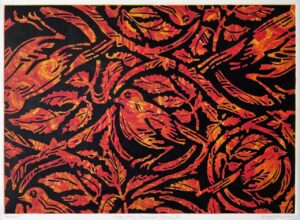
# Peter Juvonen: Finding Poetry in the Pacific Northwest Landscape There’s a particular magic that
Now I have excellent current information from my searches. Let me write the blog post