Artists Exhibitions Viewing Rooms Browse Collection Art Visualizer Trade Program How to Buy Collector Portal Bainbridge Island Gallery Park City Gallery Hours & Locations Our Journey Contact Artist Portal Inquire
Artists Exhibitions Viewing Rooms Browse Collection Art Visualizer Trade Program How to Buy Collector Portal Bainbridge Island Gallery Park City Gallery Contact Artist Portal Inquire
JG Art Gallery + Events™  ·  Bainbridge Island & Park City

Gary
Groves

Woodcut Prints
Bainbridge Island, Washington
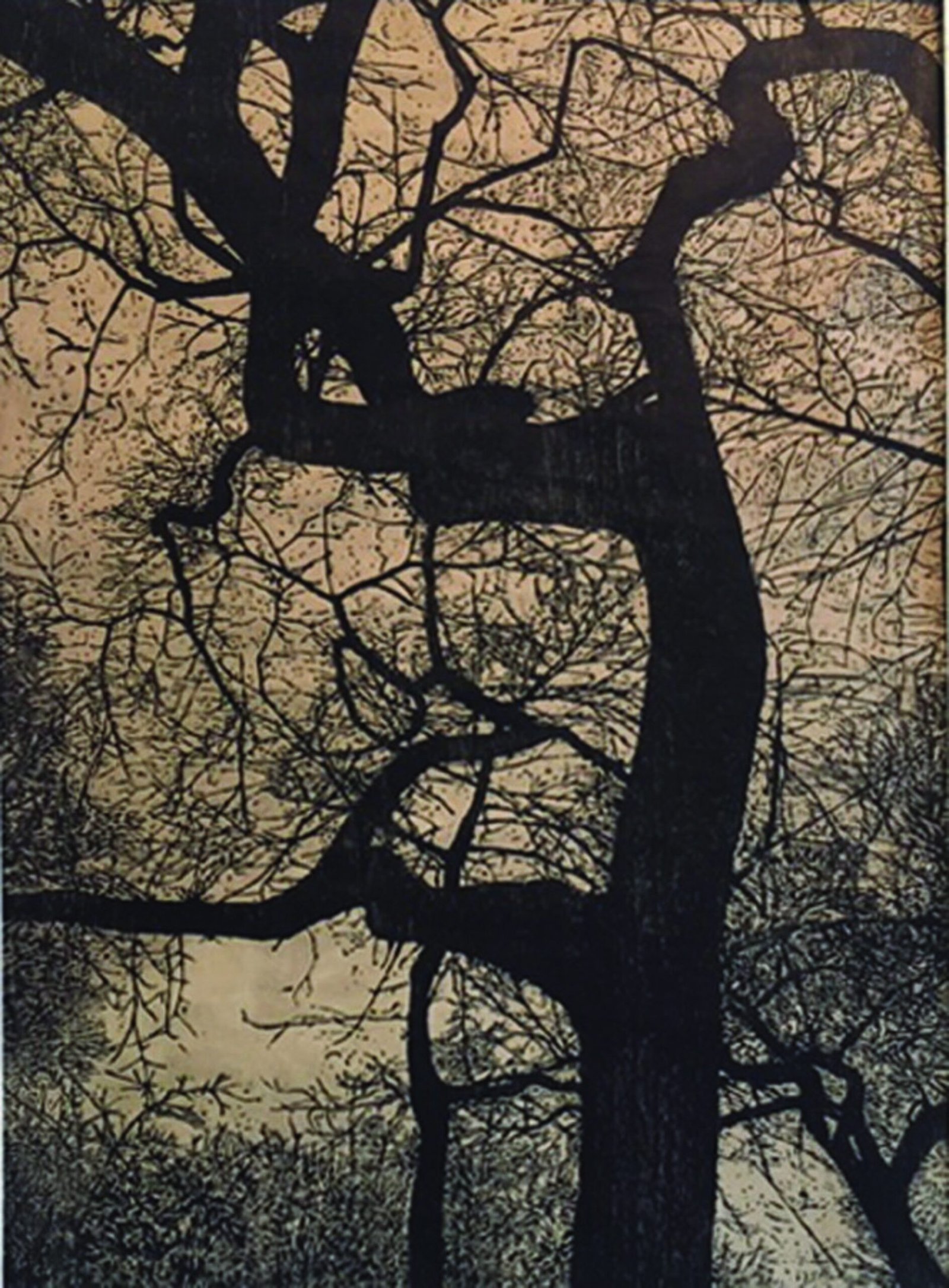
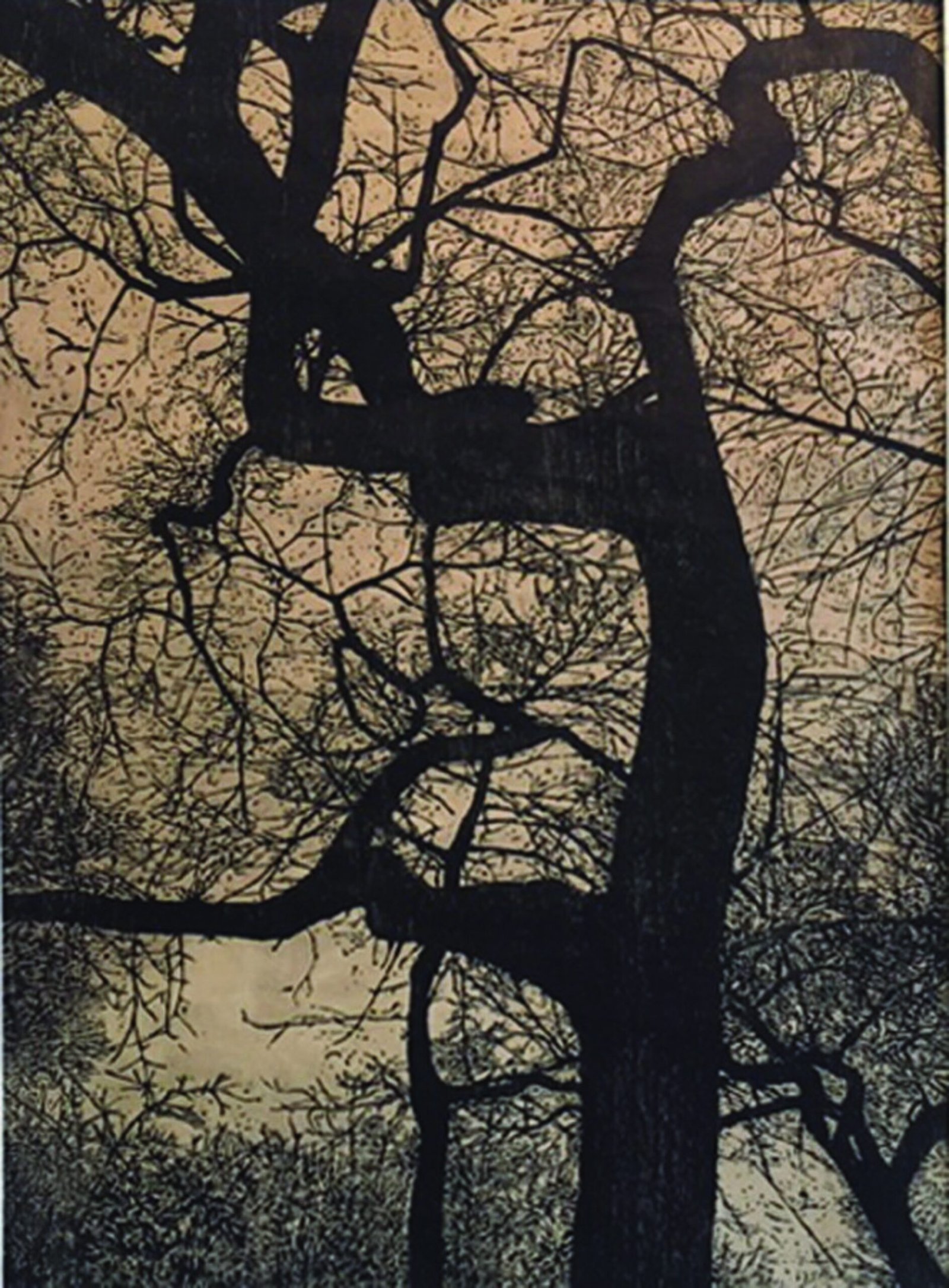
Central Park — Gary Groves. Woodcut print.
Central Park  ·  Woodcut print

Gary Groves was born in 1938 in Decatur, Illinois, and has lived on Bainbridge Island for more than fifty years. His education moved between architecture, fine art, and Japan: the Architecture of Fine Arts program at the University of Oregon from 1960 to 1963, then travel and study in Japan in 1963–64, then the Fine Arts program at Oregon State University in 1969, then 1968 in Kamakura as an apprentice to printmaker Kozo Kotake, then Kyoto in 1975, and finally a BFA from the San Francisco Art Institute in 1975. He arrived at woodcut printmaking after working in sculpture, ceramics, photography, and painting, carrying each medium forward into the next. His tool is the Dremel — not the traditional woodcut gouge — which allows the fine tonal gradation and near-photographic detail his images require.

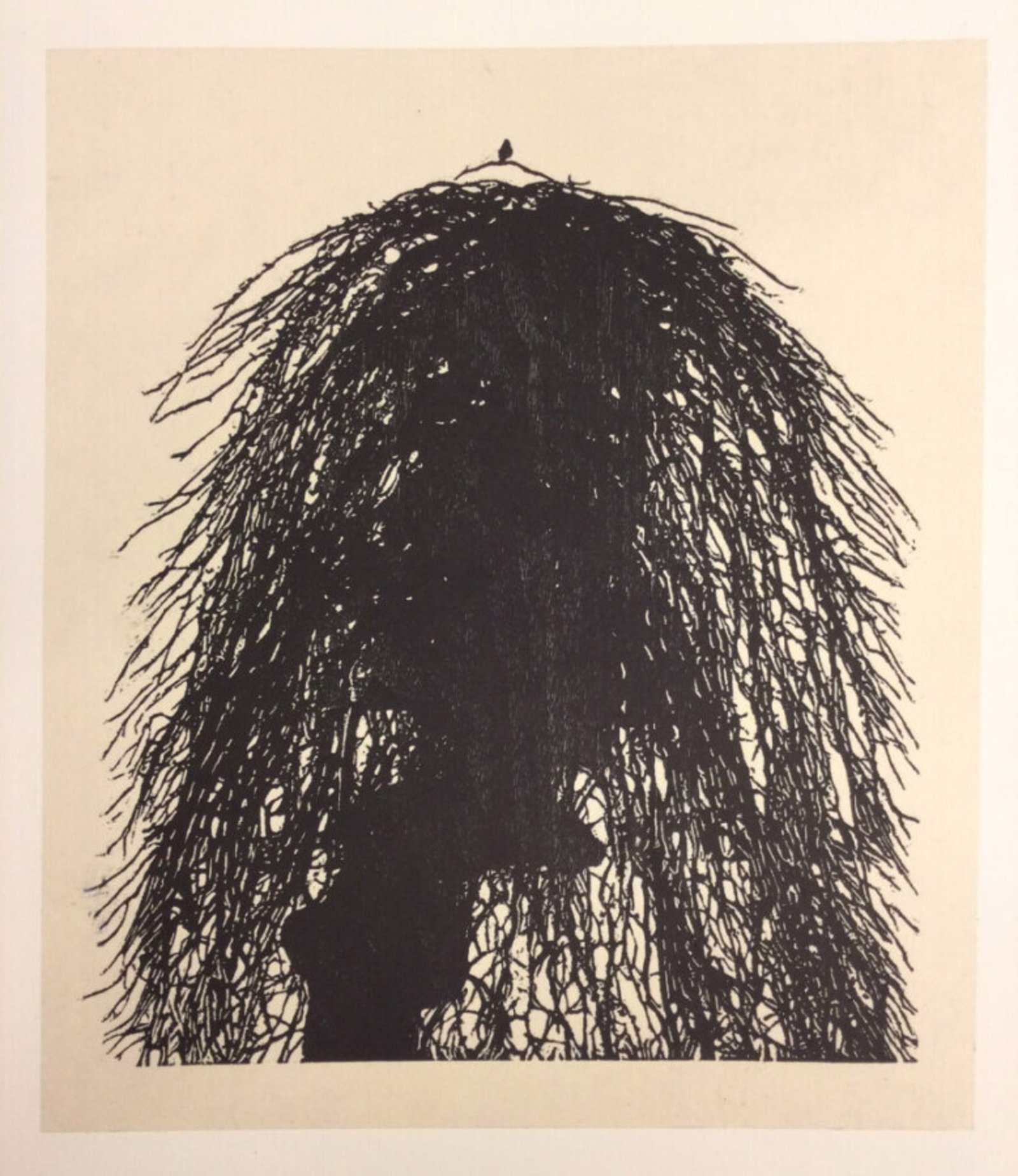
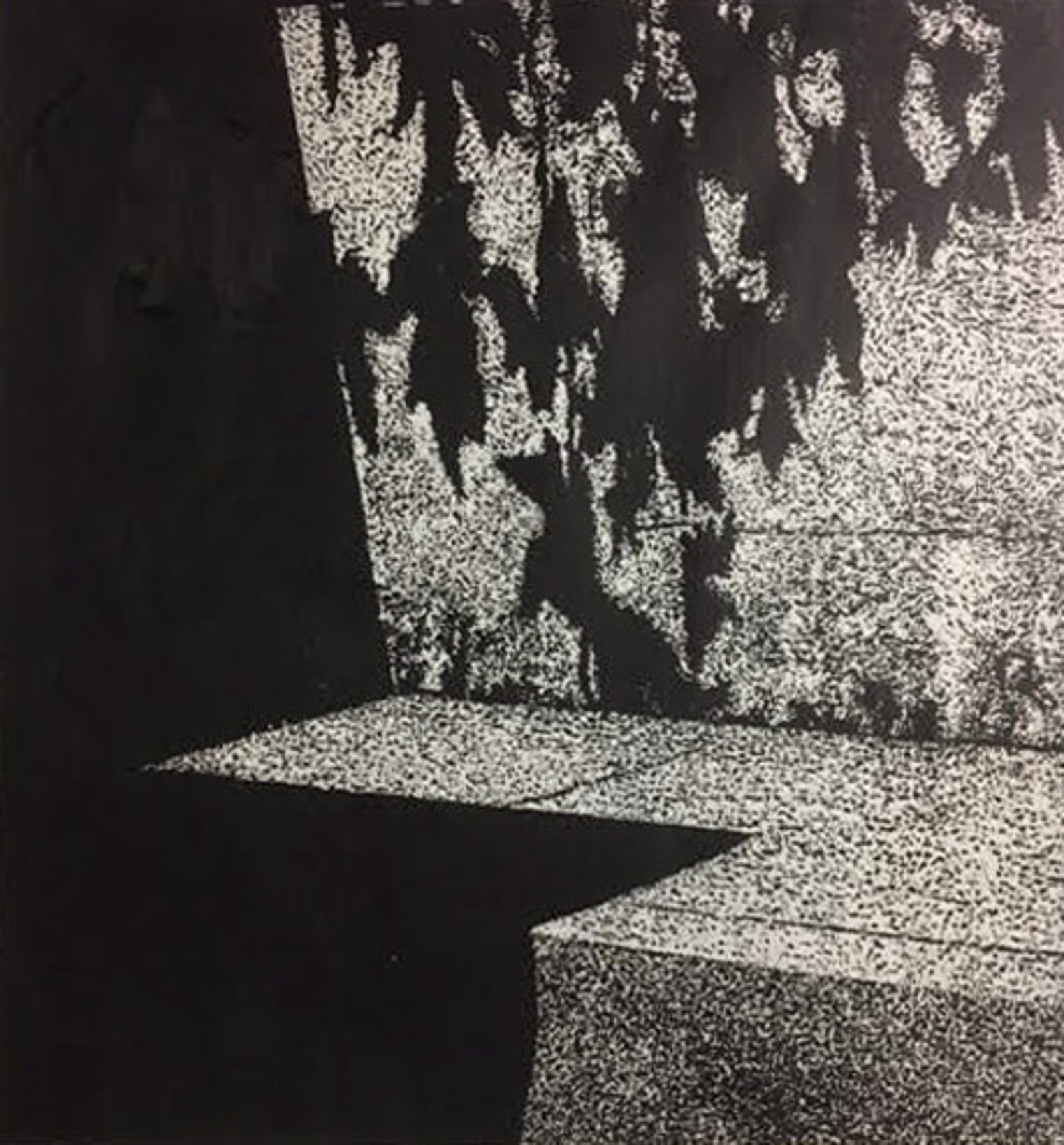
His subjects are the things most people pass without stopping: concrete bunkers long after their military purpose ended, rock formations along Highway 14 on the Washington side of the Columbia River gorge near Rocky Flat where Lewis and Clark once traveled, grasses, birds on a perch, the play of shadows through leaves. The prints are typically black and white, and the argument is made entirely through the quality of the carving — how much or how little of the block is removed, how the remaining ink sits against the white of the paper. A single block can take a week or more to carve. In Central Park, The black ink sits with deliberate flatness across the composition, allowing the wood's grain and Dremel scarring to register as a secondary texture rather than atmospheric effect. Groves deploys fine linear hatching to suggest foliage density, then abruptly cuts through with broad white voids—negative space that functions as light but reads equally as absence, as what the tree refuses to reveal. The silhouetted trunk and branches assert an almost heraldic frontality against this busy, nervous background, proposing that structure persists not through detail but through the artist's decision to withhold it. In Perch #4/20, The black ink sits densely matte against cream paper, its edges sharp where the Dremel carved clean channels that read as deliberate striation—parallel marks radiating downward create volumetric shadow while leaving paper exposed as a fine tracery of negative branches. The composition refuses spatial recession; instead it presses the silhouetted head forward as a near-monolithic mass, with white paper functioning not as atmosphere but as cut, structural evidence of the carving tool's path. The work argues that portraiture need not reveal interiority: the obliterated face and the insistent, almost architectural patterning of lines propose that identity might lodge instead in surface, in the quality of marking itself. In Shadows and Leaves, The black ink sits with deliberate matte flatness against paper, its edges ragged where the Dremel's rotary burr has torn the block's grain rather than cleaning it—a surface that announces its resistance. Tonal gradation emerges through dense parallel hatching that thins to single scored lines, creating a tectonic vocabulary where depth operates through mark density alone, not atmospheric recession. The white paper functions as active geometry here: negative voids read as hard-edged structural planes (the bench, the floor plane) that assert material presence rather than absence, while hanging forms above remain ambiguous—neither fully leaf nor shadow—because the print refuses to separate figure from ground. He has said: “I am actually incorporating a lot of the accumulated skills and knowledge learned in earlier work and it now goes into my carving.” Fifty years of looking at things — architecture, clay, photography, painting — compressed into a wood block.

The International Print Center of New York included his work six times between 2001 and 2014, in their New Prints programs and touring exhibitions. Kavi Gupta Gallery in Chicago and Berlin showed his work in 2010 in “The Color of Black and White.” The Bainbridge Island Museum of Art staged a retrospective in 2024 — “Gary Groves: Making Things” — in which Chief Curator Greg Robinson described him as a master printmaker. His work is in the Seattle Public Utilities Portable Works Collection, the Seattle Arts Commission Portable Works Collection, and the Kitsap County Administration Building through the 1% for Art program.

I try to emphasize the abstract aspects and seek out the uniqueness of each subject I am attracted to — not asking too many questions, I just follow my gut. I try to find a quality often not readily identifiable and see if I can enhance it. I’m interested in trying to pull something from the rocks that most people go by and will never see.

Selected Works View All Works →
Central Park
Central Park
Woodcut Print
View Work →
Perch #4/20
Perch #4/20
Woodcut Print · Limited Edition
View Work →
Shadows and Leaves
Shadows and Leaves
Woodcut Print
View Work →
Artist Credentials & Record
Education & Formation
1938Born Decatur, Illinois
1960–63University of Oregon — Architecture of Fine Arts Program
1963–64Traveled and studied in Japan
1968Kamakura, Japan — Apprentice to printmaker Kozo Kotake
1969Oregon State University — Fine Arts Program
1975Studied in Kyoto, Japan · BFA San Francisco Art Institute
Exhibitions (Selected)
2024"Gary Groves: Making Things" — Bainbridge Island Museum of Art
Retrospective. Conversation with Chief Curator Greg Robinson.
2014New Prints 2014/Autumn — International Print Center, New York
Touring: University of Tennessee, Chattanooga
2010"The Color of Black and White" — Kavi Gupta Gallery, Chicago/Berlin
2009New Prints 2009 — International Print Center of New York
2008"A Look Back 1978–2008" — Arts Gallery, Bainbridge Island
Retrospective — nearly 70 works spanning 30 years
2007Woodcut Prints — Augen Gallery, Portland, OR
International Print Center New York
2014New Prints 2014/Autumn
2010New Prints 2010/Autumn
2009New Prints 2009/Summer
2006New Prints 2000–2006 · Prints 2006
Two concurrent programs
2001New Prints 2001
Six inclusions across 13 years
One of the most significant venues for contemporary printmaking in the US
Collections
PublicSeattle Public Utilities Portable Works Collection — Seattle, WA
PublicSeattle Arts Commission Portable Works Collection — Seattle, WA
PublicKitsap County Administration Building — Port Orchard, WA
Kitsap County Art Board 1% for Art program
Practice
ToolDremel — not the traditional woodcut gouge
Allows fine tonal gradation and near-photographic detail
TimeA single block can take a week or more to carve
Depending on degree of detail required
SubjectsConcrete bunkers — rock formations — Columbia River gorge
Highway 14, Rocky Flat — places most people pass without stopping
BackgroundSculpture — ceramics — photography — painting
All accumulated knowledge flows into the carving
Awards & Works at JG
1988First Place — Sixth Annual Juried Printmakers' Show
Fine Impressions Gallery, Seattle
Works4 prints — limited editions — woodcut on paper
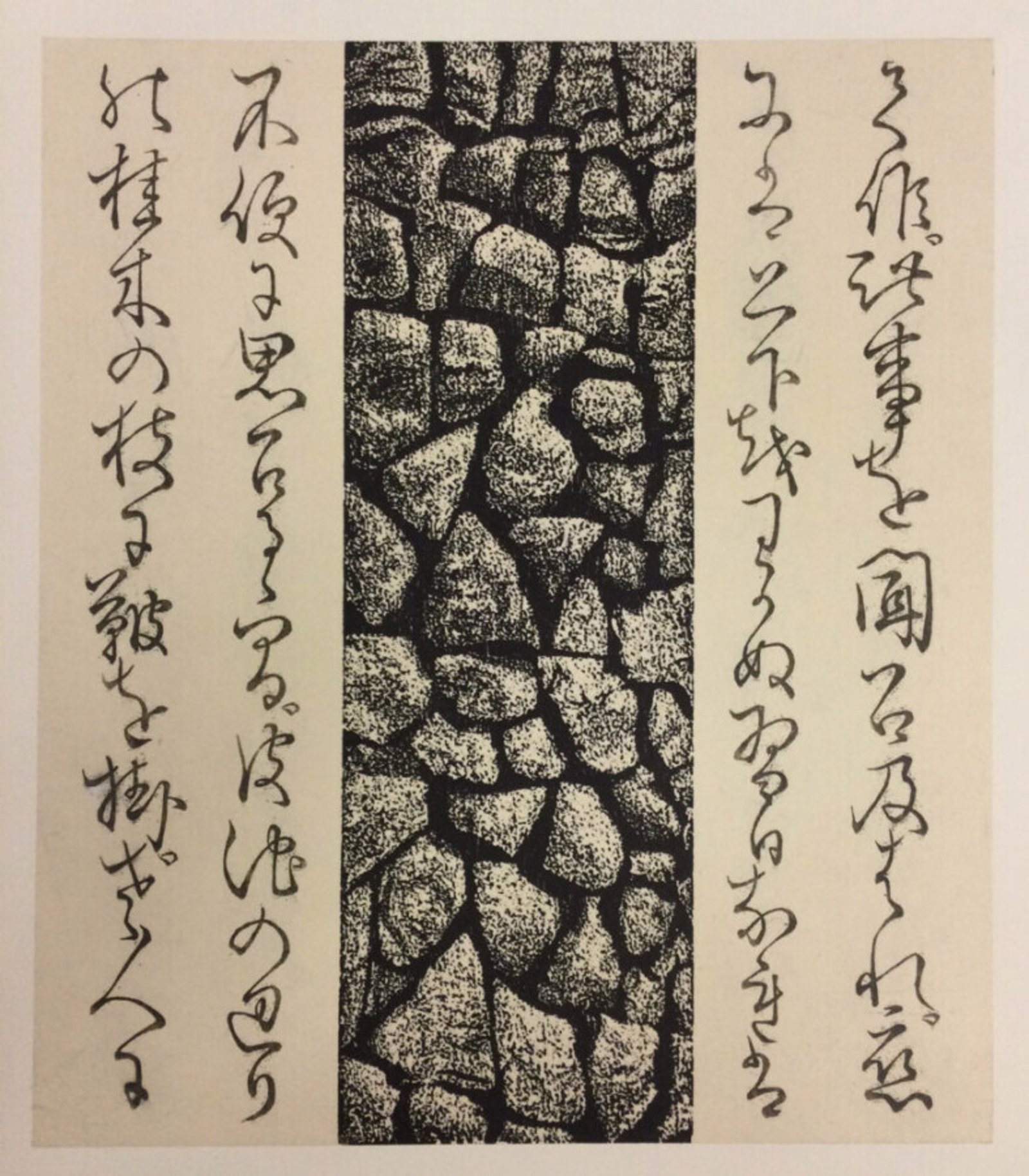
Central Park · Perch #4/20 · Shadows and Leaves · Togetherness #3/15