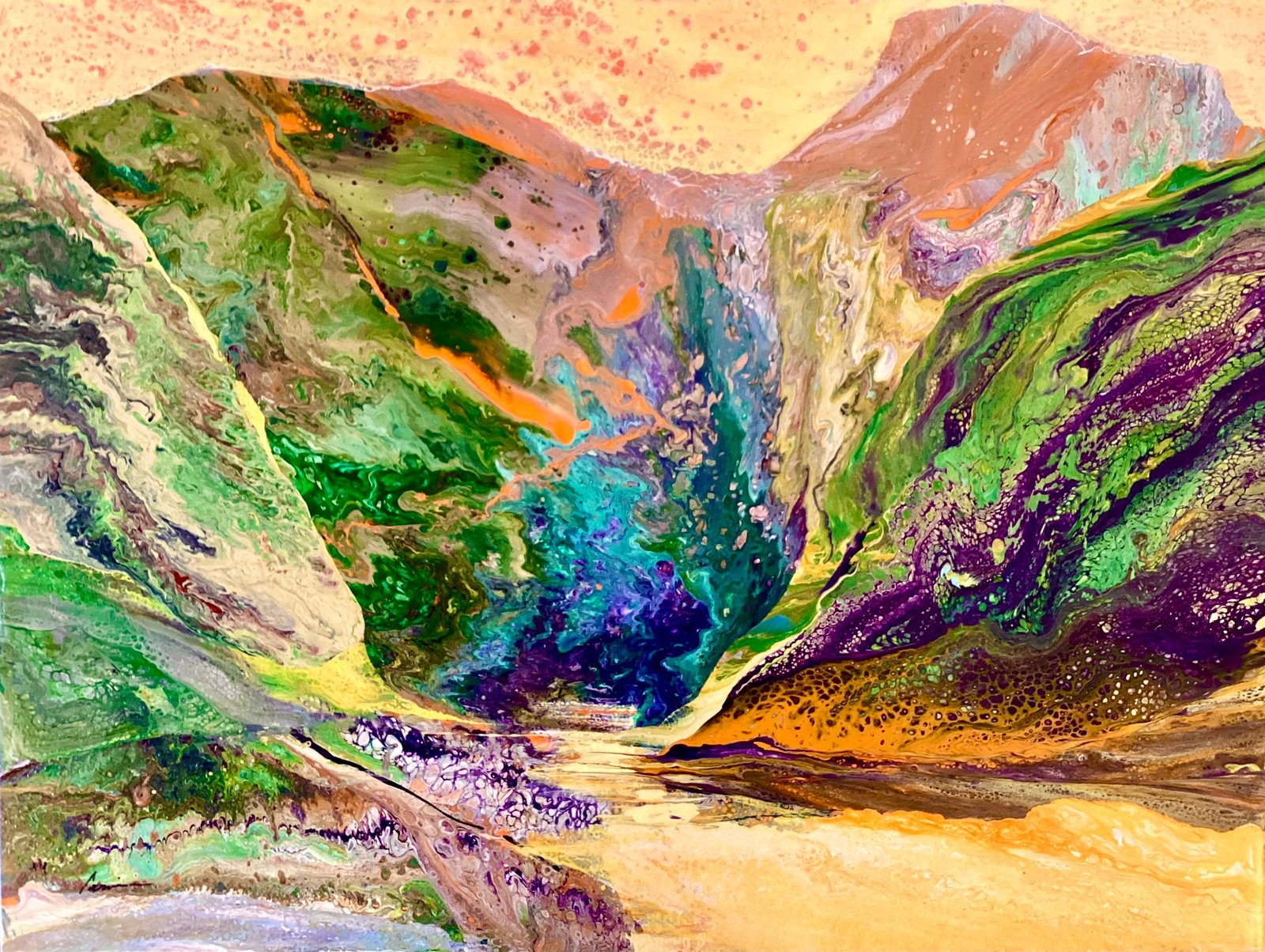
Parvin · Acrylic on Canvas — Landscape and Figure · Currently at JG Art Gallery
Parvin
Painter
Iranian-born; Pacific Northwest practice
“Art making involves constant decision making. Whether at the easel or on the computer, the more capable the artist, the more imaginative and appropriate the decisions.”
Selected works.
A current selection of Parvin's acrylic paintings — landscape and figure — is available through JG Art Gallery. Write to the gallery for current pieces, dimensions, and indicated price.
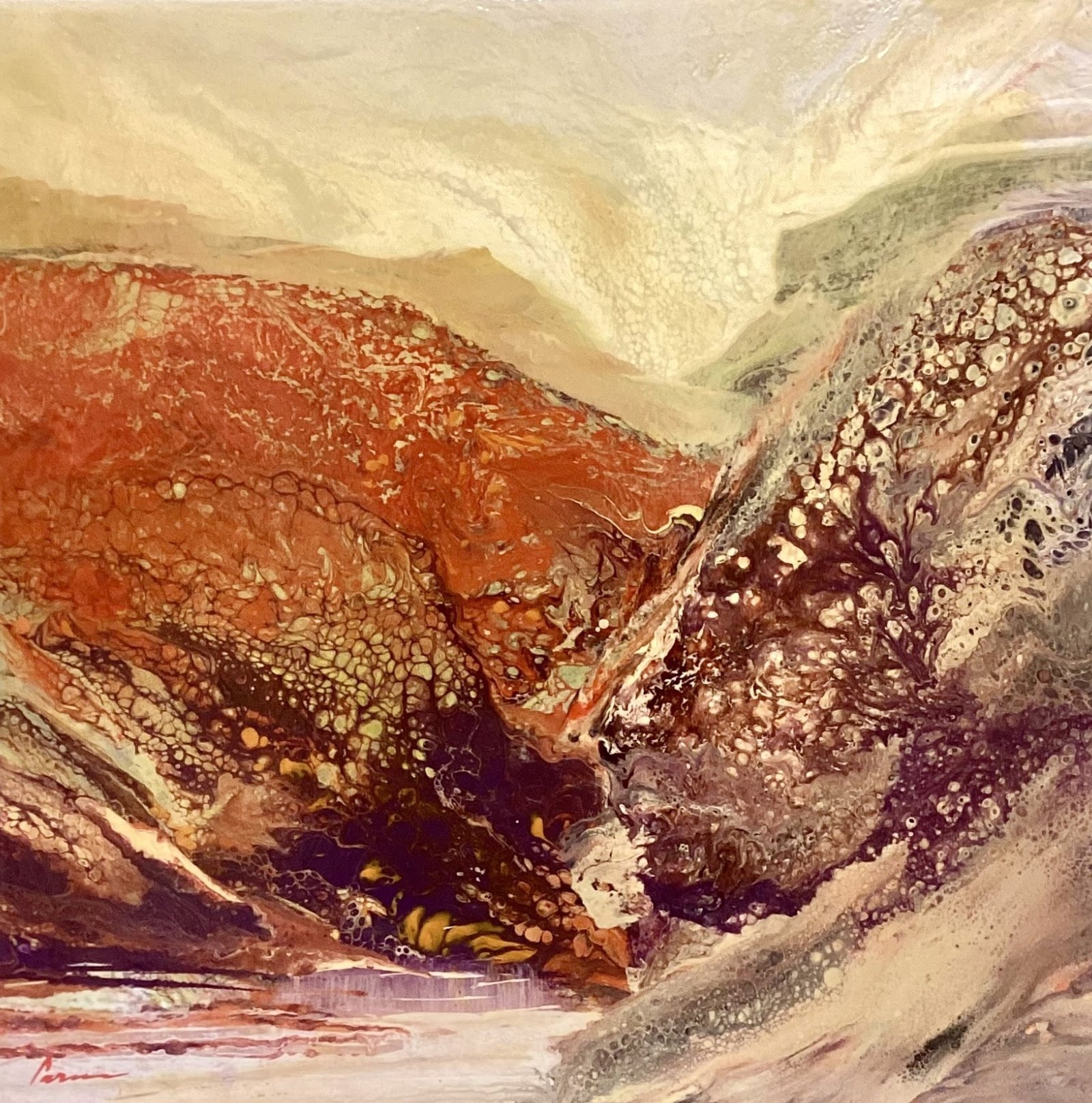
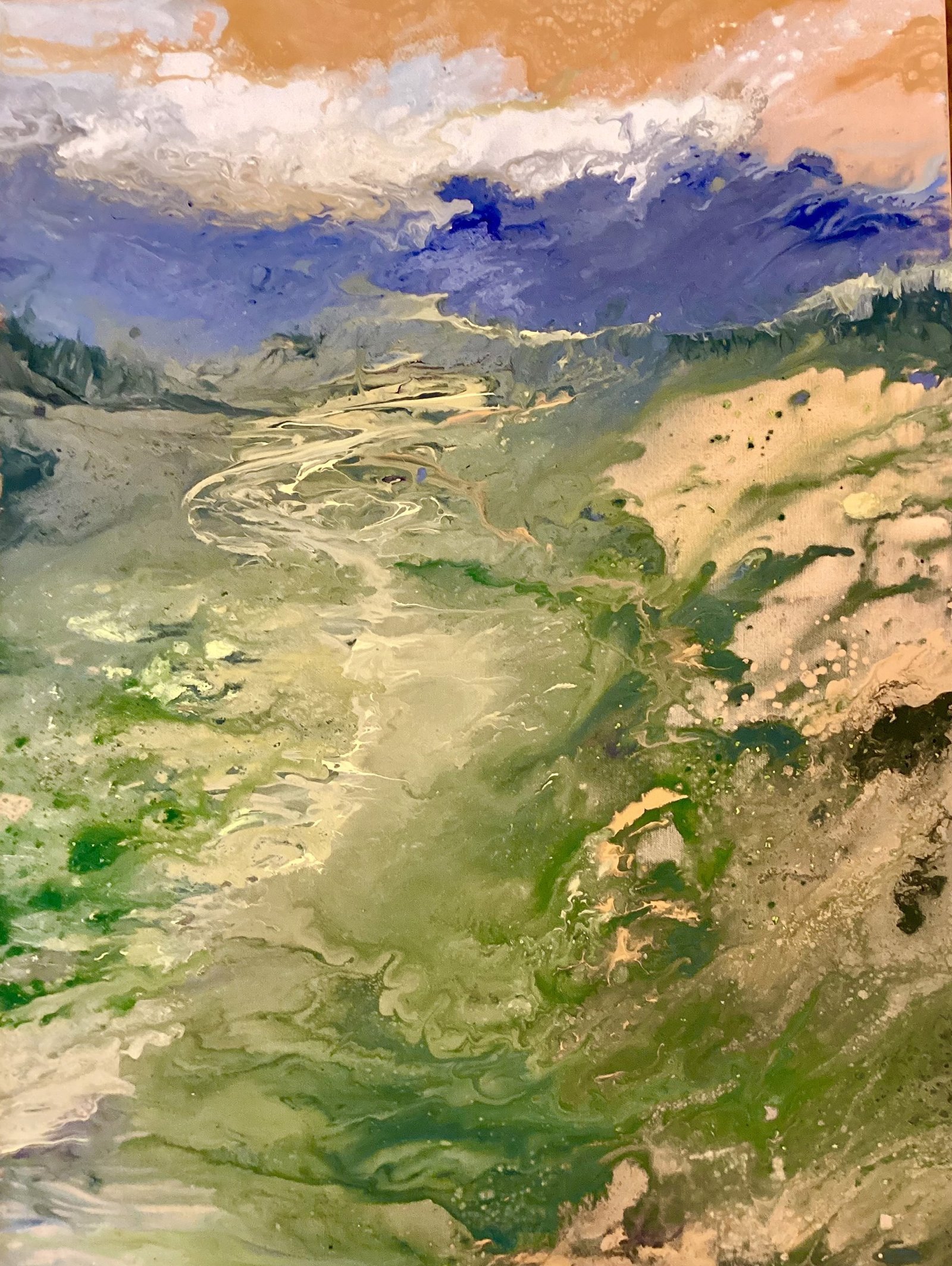
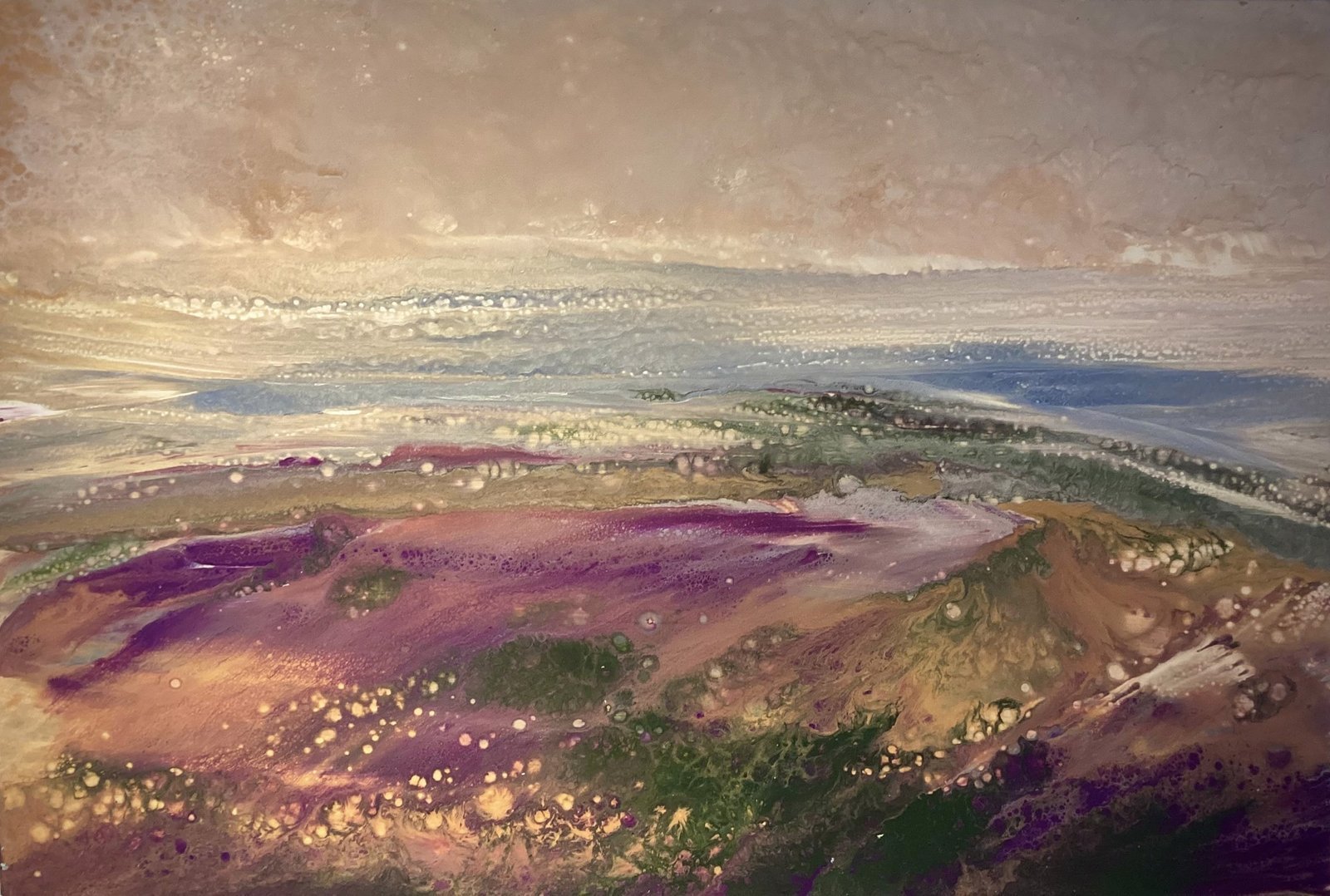
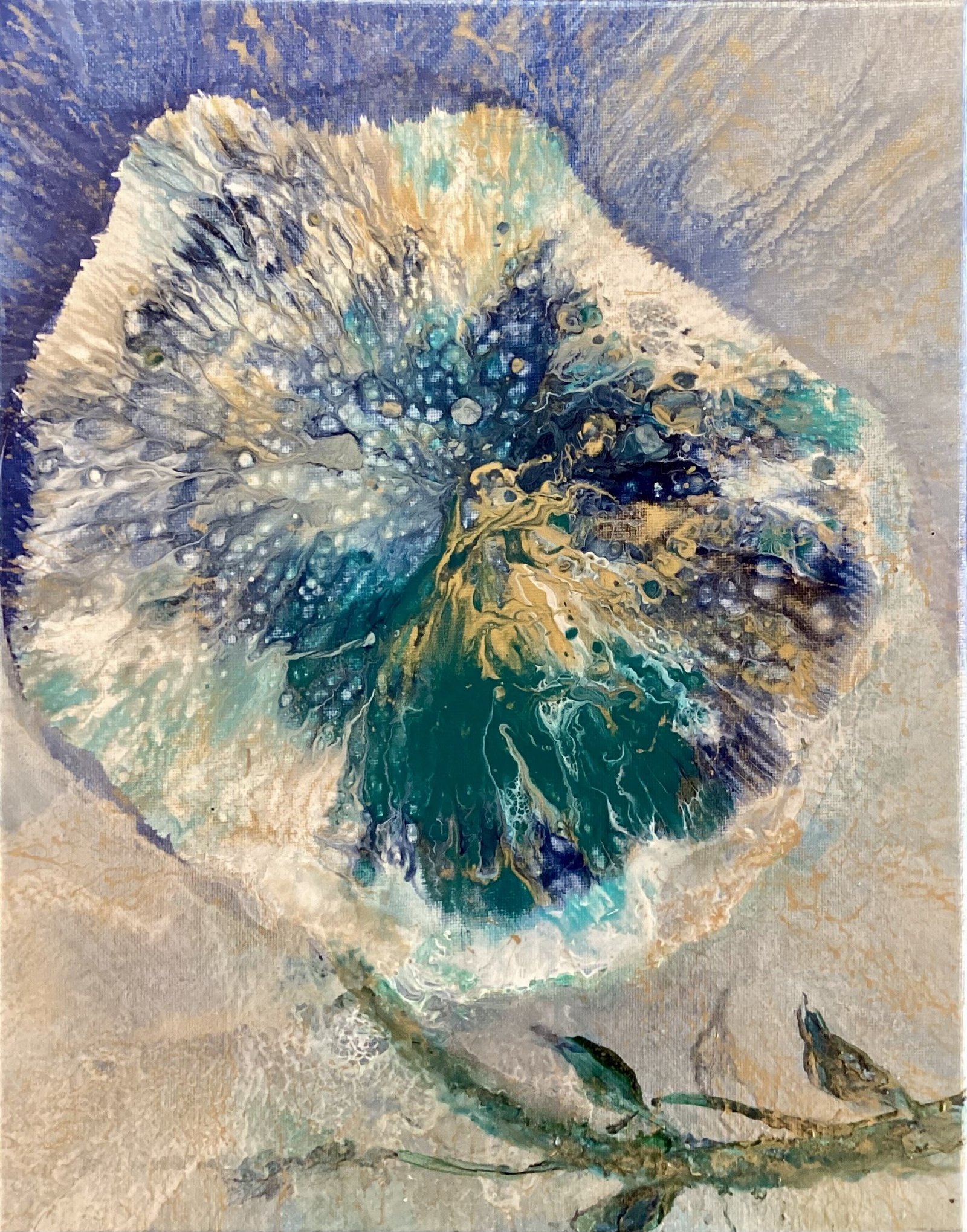
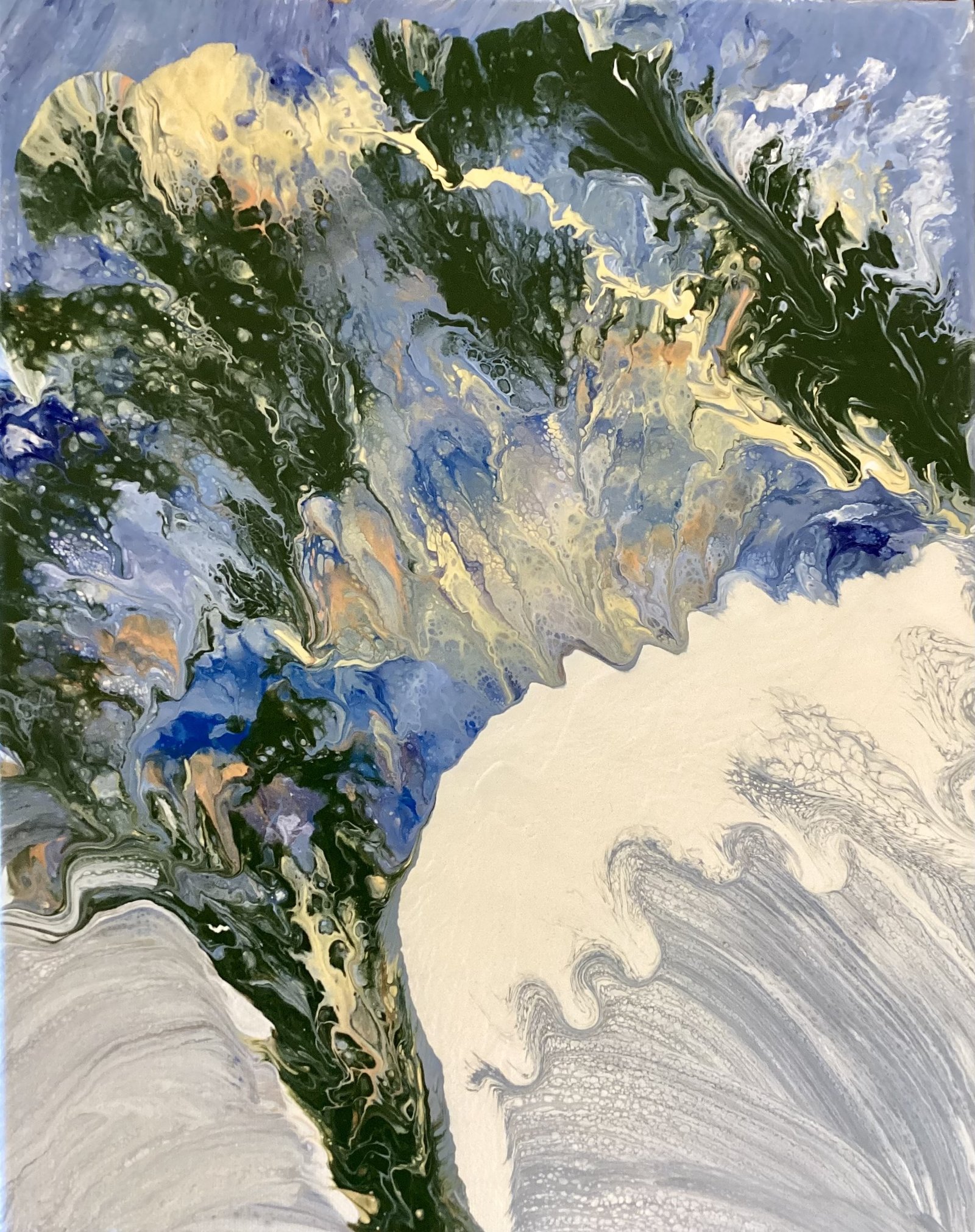
Shows with the gallery.
- UnrehearsedOn view now · through November 5 · Bainbridge Island & Park City
- Golden HourSeptember 2026 · Bainbridge Island & Park City
Parvin grew up in the Iranian hillsides, with occasional visits to the Caspian Sea on the northern coast — landscapes that still echo in the work she makes today. She emigrated to the United States at age eight, returned to Iran for high school, then came back to the United States to study Story Illustration at the Chouinard Art Institute (now part of the California Institute of the Arts).
Her career has moved deliberately — from story illustration to advertising illustration to fashion illustration and finally to fine art — and her time at Chouinard gave her the command of figure and landscape that anchors her current paintings. Her portfolio of figure drawings won her a position in an advertising company immediately upon graduation; Microsoft and Boeing executives are among the collectors who hold her work, and her paintings are exhibited in museums and galleries across Florida, Montana, and Washington.
Parvin's practice, in detail.
Formation & Origin
- OriginIran — hillsides + Caspian Sea coastChildhood landscape; still a touchstone for the work
- Age 8Emigrated to the United StatesReturned to Iran for high school, then came back
- StudyChouinard Art Institute (CalArts) — Story IllustrationMastered figure and landscape drawing
Practice & Materials
- MediumAcrylic on CanvasContemporary landscape and figurative painting at scale
- PathStory → advertising → fashion → fine artEach phase informs the figure drawing in the current oils
Collections & Exhibitions
- Corporate collections — Microsoft, Boeing executivesAmong collectors of her work
- Museum and gallery exhibitions — Florida · Montana · Washington
Galleries & Representation
- CurrentJG Art Gallery — Bainbridge Island & Park CityPrimary representation
- Dana Gallery
Works at JG
- CurrentA selection of acrylic paintings — landscape and figureSizes from intimate to large-scale; price published with each piece
As featured in.
The gallery responds within one business day.
For current availability, pricing, or to commission new work, write directly. Worldwide shipping, payment plans, full provenance documentation.