Stephen MacFarlane · Monotype Artist · Currently at JG Art Gallery
“I am a Seattle based monotype print artist. My work on paper utilizes a printing press, ink and drawing to create one of a kind art pieces.”
Selected works.
A current selection from Stephen's work, available through JG Art Gallery. The gallery responds within one business day with placement, dimensions, and indicated price for the work in question.
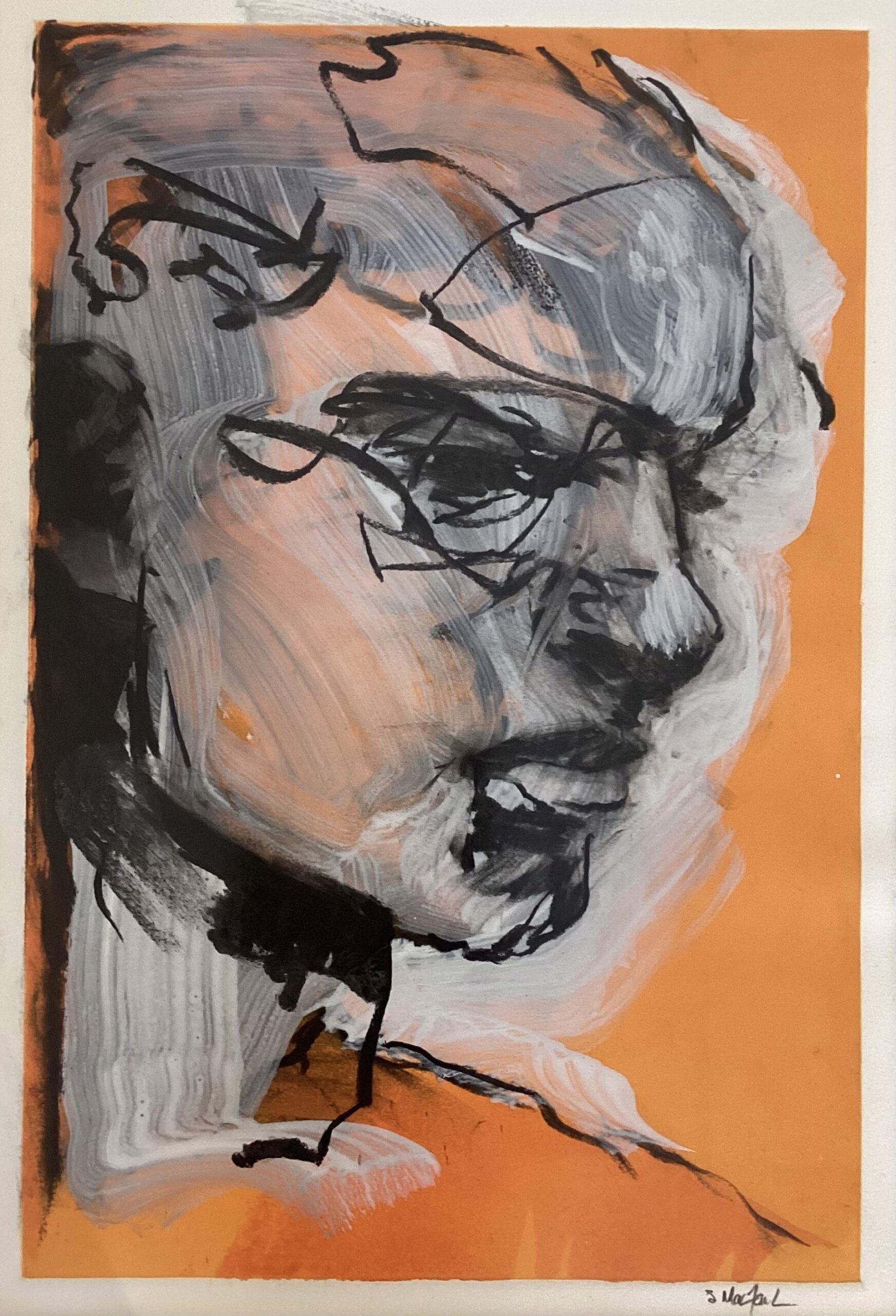
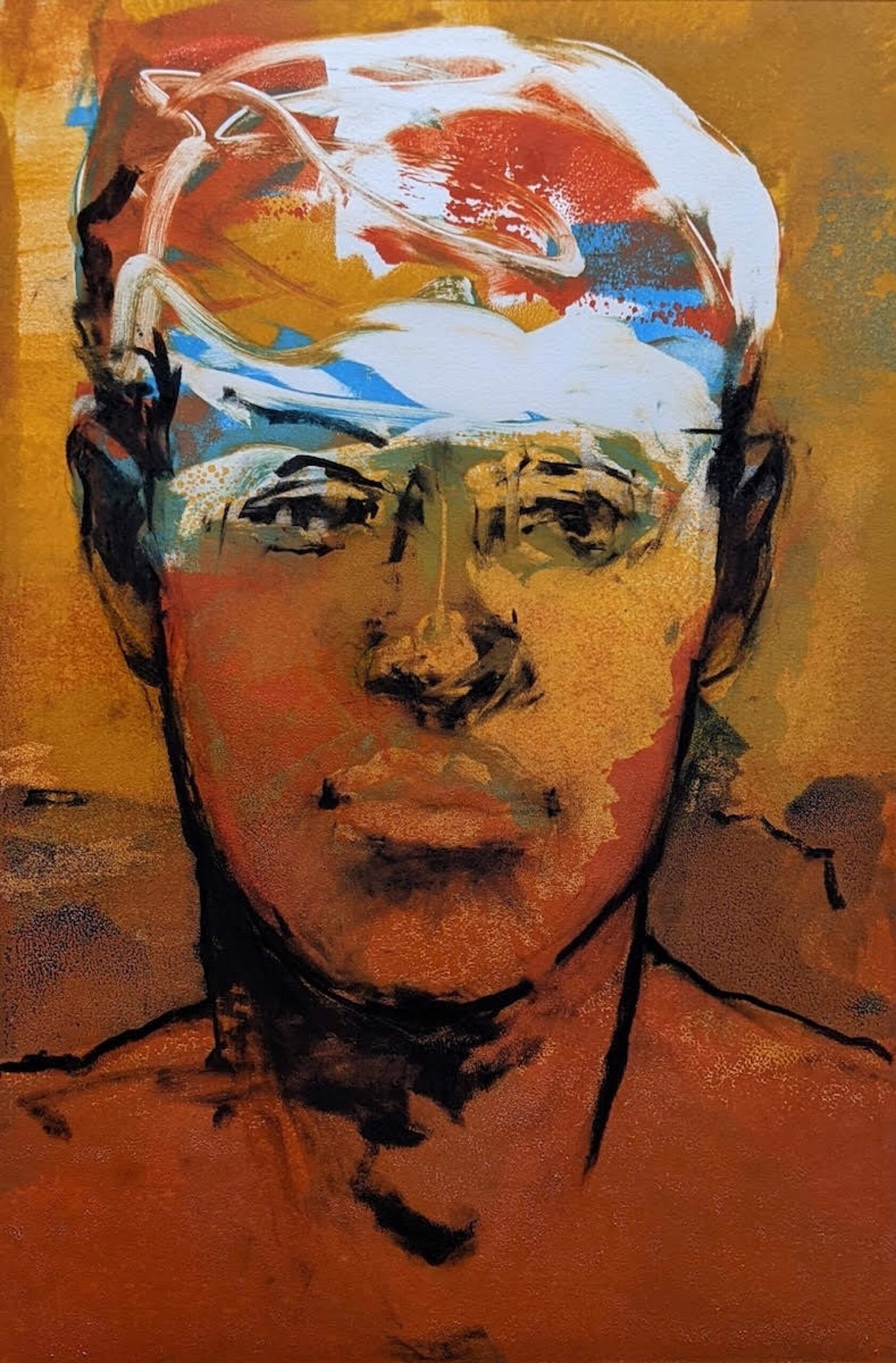
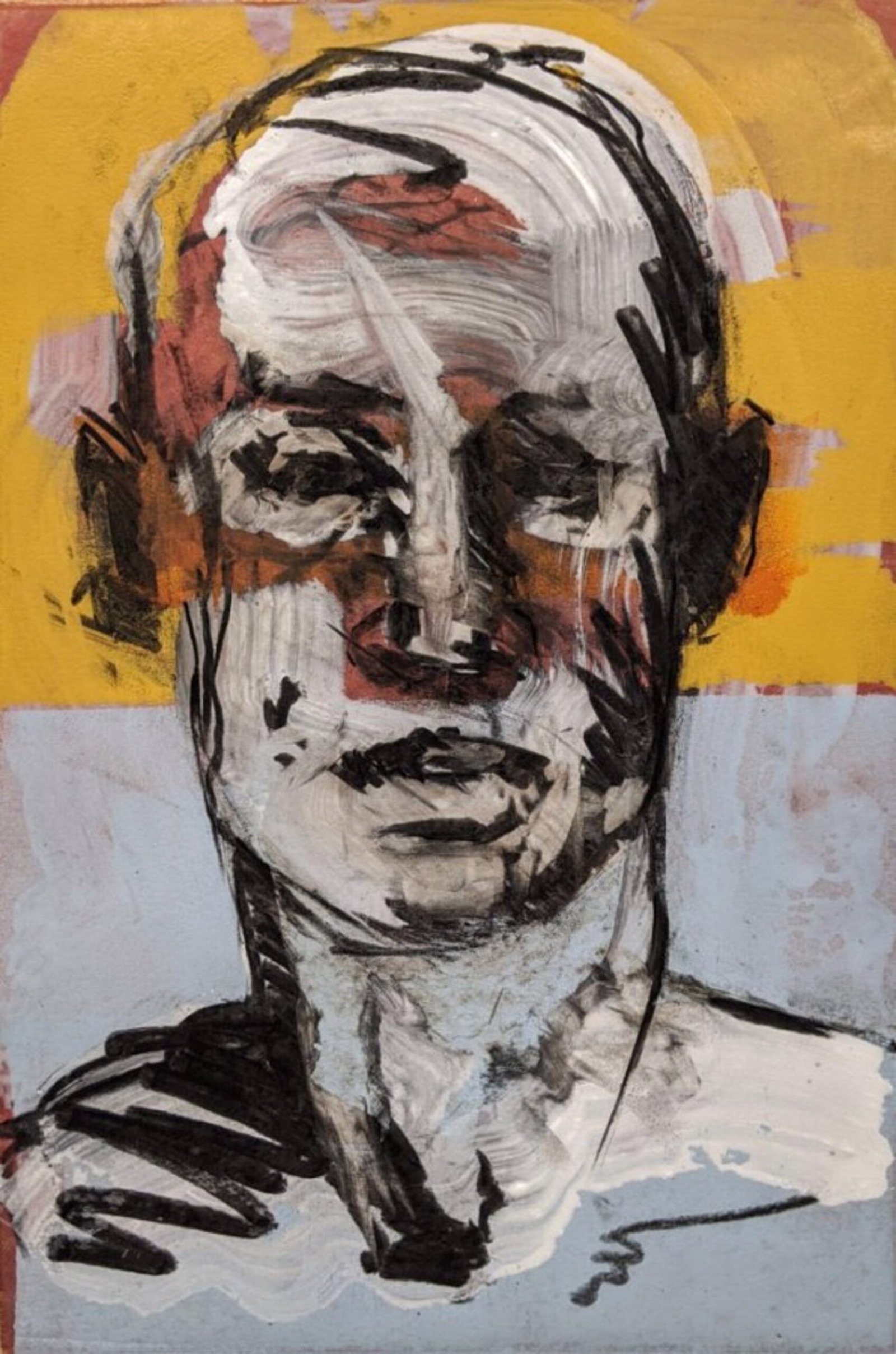
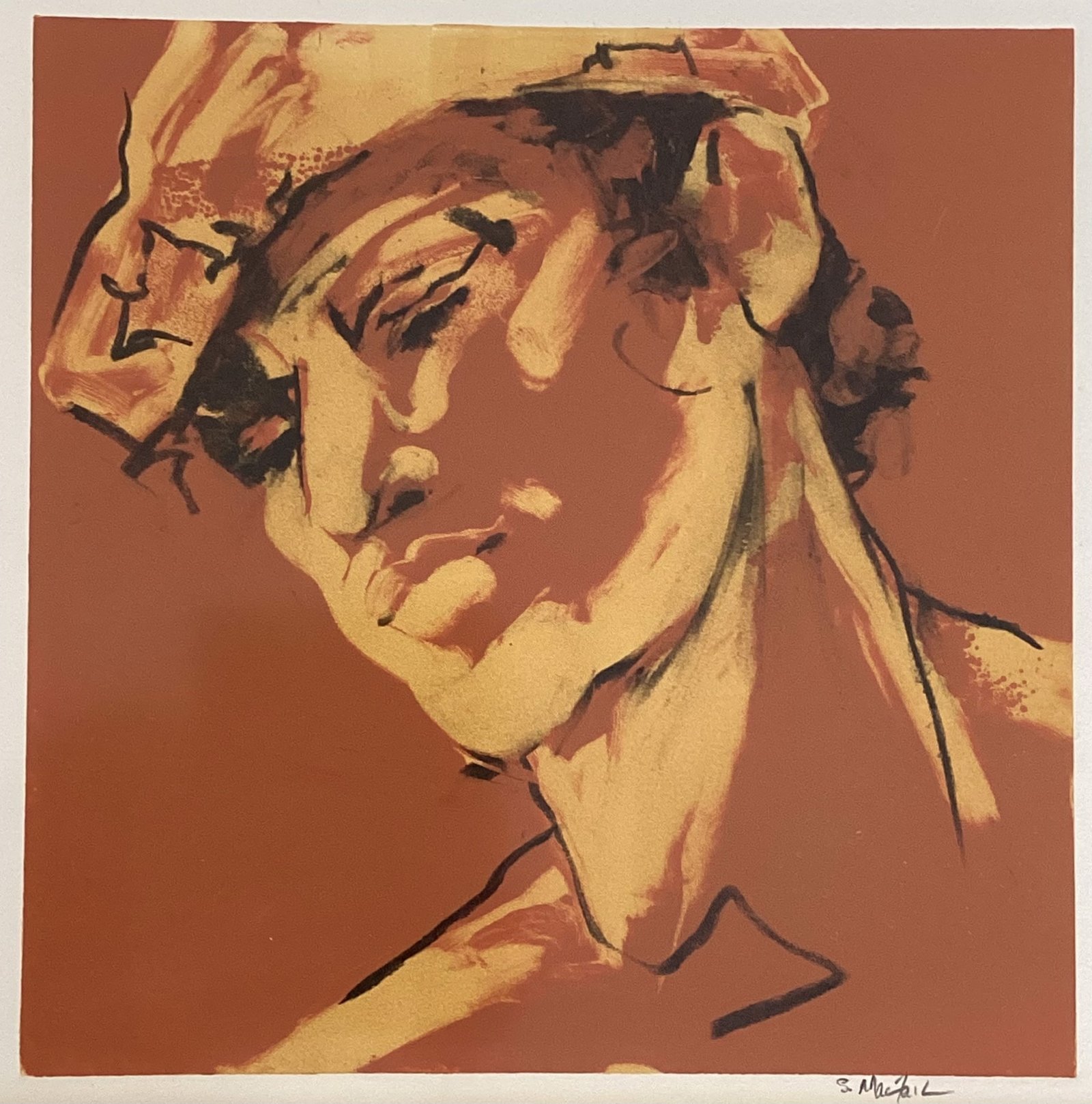
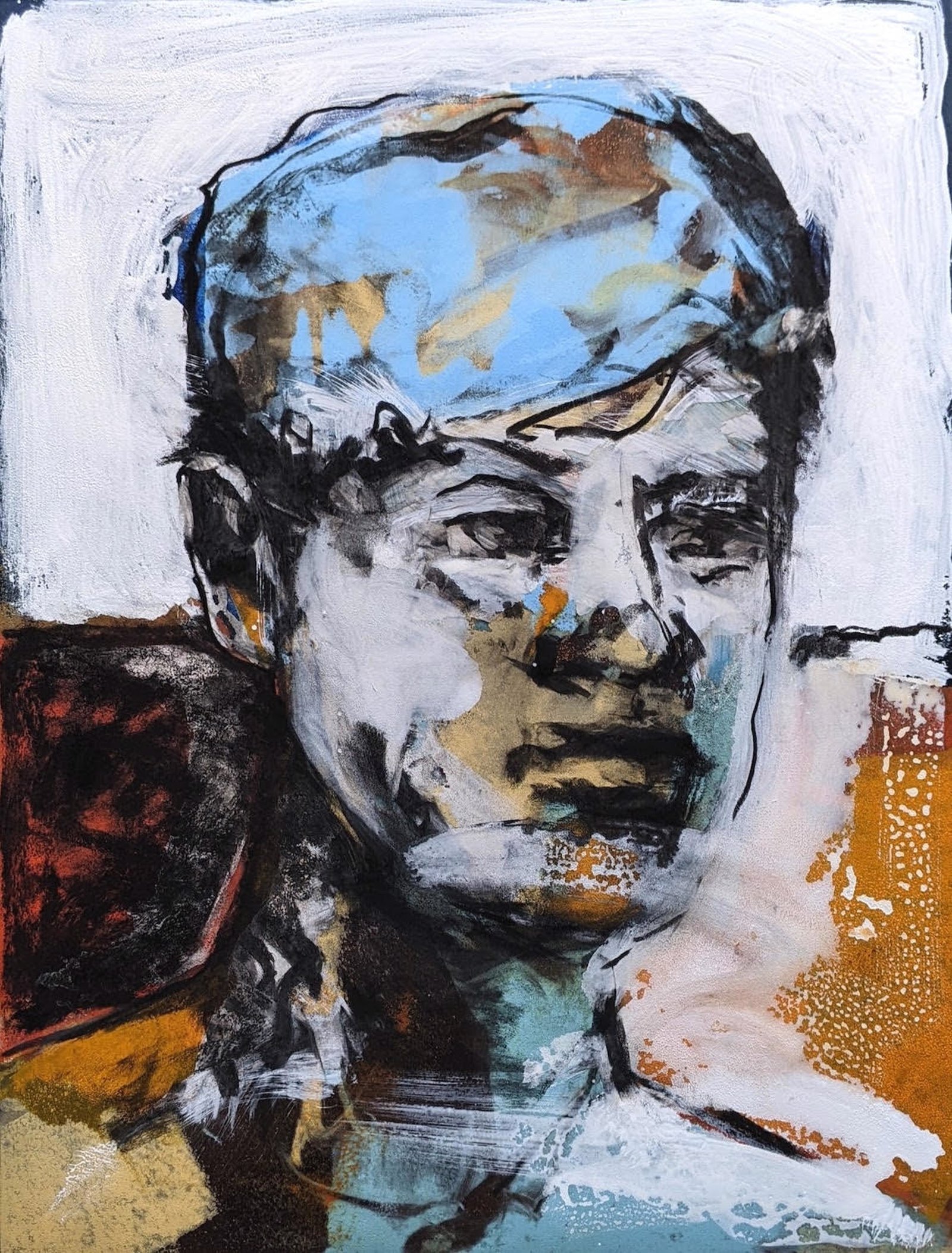
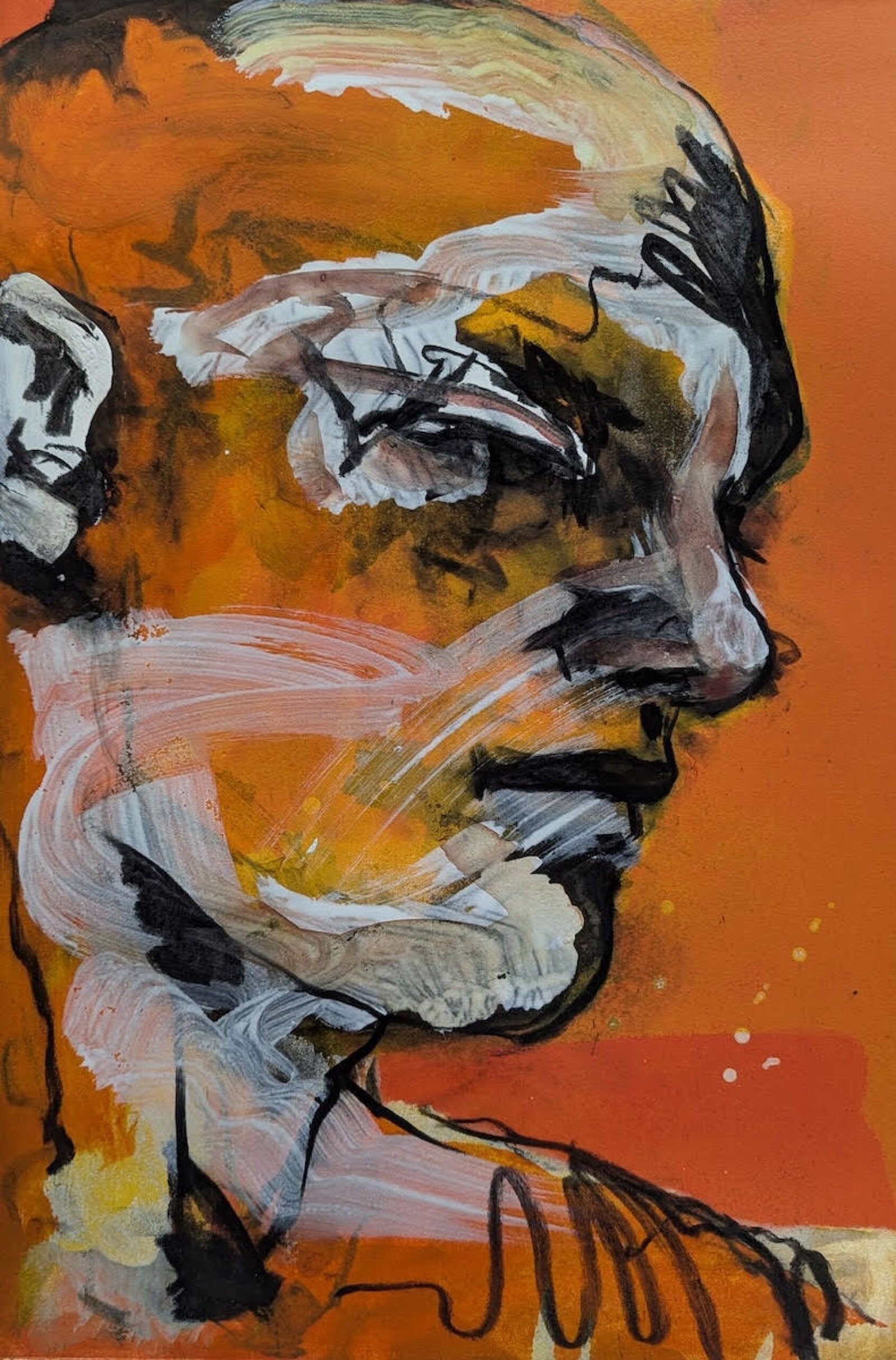
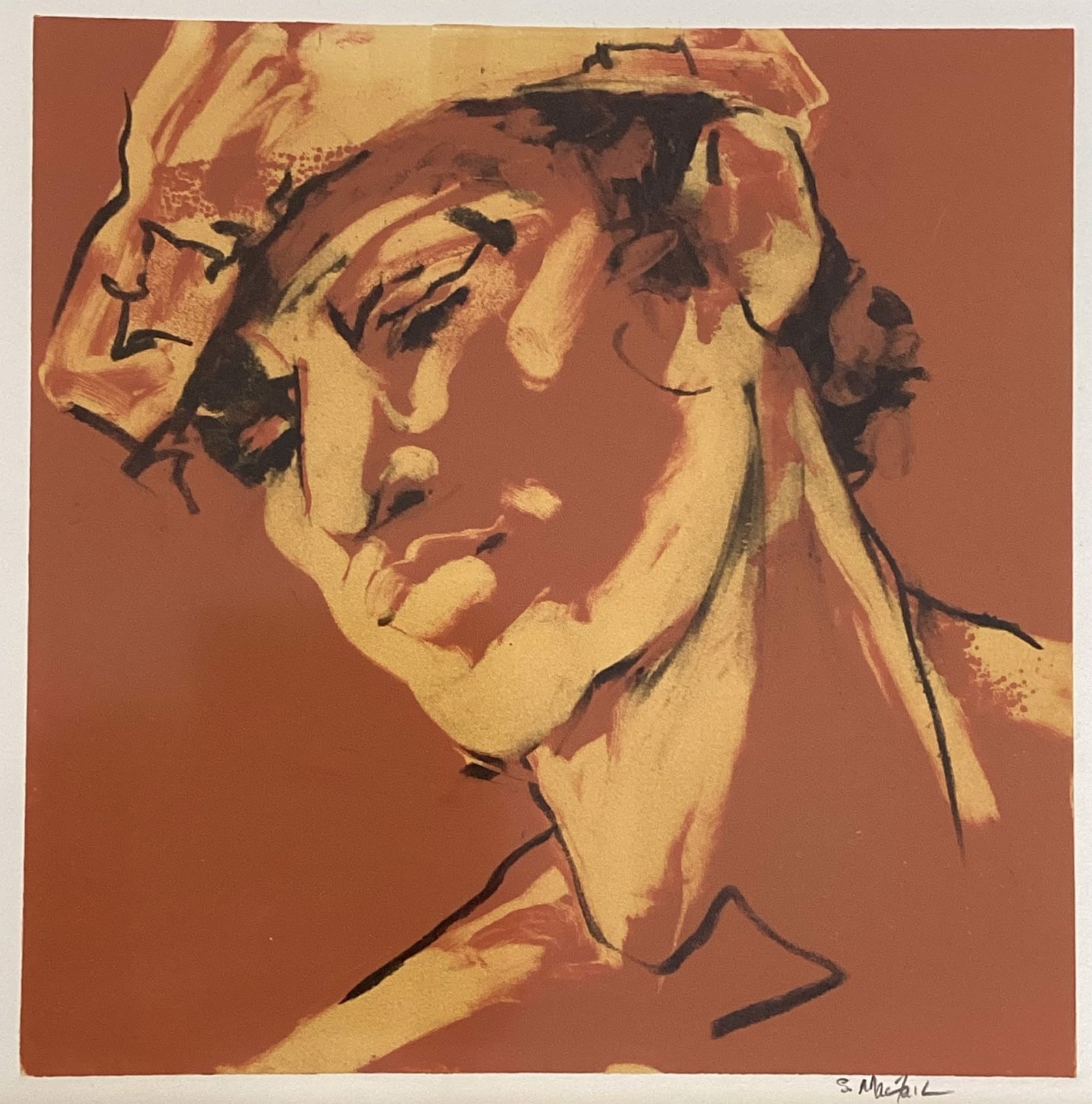
Stephen MacFarlane graduated from Grinnell College in 1982 with a degree in Biology. He came to art through drawing — sustained study at the School of Visual Concepts in Seattle from 1985 to 1992, followed by printmaking at Pratt Fine Arts Center from 1995 to 1998. Monotype became his primary medium and has remained so. The monotype is the most direct form of printmaking: image applied once to a plate, transferred once to paper, the result unique and unrepeatable. A second pull from the same plate yields only a ghost — a faint, depleted impression that MacFarlane also uses, treating it as a generative rather than a failed event. His work on paper combines the immediacy of drawing with the physical unpredictability of the press.
His subjects are the ones he keeps returning to: figures, landscape, birds, and for over a decade the Duwamish River, Seattle’s heavily industrialized waterway that is also a Superfund site and a place of ongoing Indigenous significance. Since the residency’s founding he has participated in the Duwamish River Artist Residency — an annual eight-day plein air working group that has produced exhibition catalogues now held in the Seattle Art Museum Library and the University of Washington Special Collections. Working en plein air beside the river, alongside painters, photographers, and other printmakers, MacFarlane has developed a body of landscape and figure work rooted in a specific and contested place.
He teaches Elements of Drawing at the School of Visual Concepts in Seattle, where he has been on the faculty since 2001. He is a member of Seattle Print Arts. He has held artist residencies at Gallery One in Ellensburg and the Contemporary Arts Center in North Adams, Massachusetts, where he worked alongside and assisted printmaker Brandon Graving. He was previously represented by the Roby King Gallery on Bainbridge Island and is now at JG Art Gallery, its successor at the same address.
Making monotype prints provides the best combination of the gestural aspects of drawing and the emotional presence of color and pattern for me. Quality of line — how it can go from thick to thin and back again, how it can carry different weights, how edges can merge or push against each other — are all excellently translated in this medium.
Stephen's practice, in detail.
Education & Training
- 1982BA — Grinnell CollegeGrinnell, Iowa — Biology
- 1985–92School of Visual ConceptsSeattle, WA — fine art
- 1995–98Pratt Fine Arts CenterSeattle, WA — printmaking
- 1999–2000Assistant to Brandon GravingMonotype workshop, Contemporary Arts Center, North Adams MA
- 1997–2001Annual Printmaking ResidencyContemporary Arts Center, North Adams MA
Selected Exhibitions
- OngoingJG Art GalleryBainbridge Island, WA & Park City, UT
- 2012New Work/Clouds — SoloKirkland Performance Center, Kirkland WA
- 2008Figurative — SoloJoe Bar, Seattle WA
- 2006Chestnuts and Asteroids — SoloBauhaus, Seattle WA
- 2005Monoprints — SoloGallery One, Ellensburg WA
- AnnualPaint Ellensburg1999–2005 — annual participant
Residencies & Recognition
- AnnualDuwamish River Artist Residency8-day plein air residency — landscape, figure, birds
- BookArt + Industry — Roots That ClutchDuwamish residency catalogue — Seattle Art Museum Library + UW Special Collections
- 2006Artist Trust EDGE ProgramProfessional development — Seattle WA
- 2005Artist in ResidenceGallery One, Ellensburg WA
Collections & Archives
- ArchiveSeattle Art Museum LibraryDuwamish Residency catalogue — permanent collection
- ArchiveUW Special CollectionsArt + Industry — Roots That Clutch
- PrivateCollections in the Pacific Northwest
Teaching & Membership
- 2001–presInstructor — School of Visual ConceptsElements of Drawing, Seattle WA
- 2002–presMember — Seattle Print Arts
- PastRoby King Gallery, Bainbridge WAPrevious representation — now at JG
Practice
- MediumMonotype on paperPrinting press, ink, drawing — each piece unique, unrepeatable
- AlsoGhost printsSecond pull from the plate — treated as generative not failed
- SubjectFigures · Landscape · Birds · Duwamish RiverPacific Northwest — industrial waterway and its wildlife
As featured in.
The gallery responds within one business day.
For current availability, pricing, or to commission new work, write directly. Worldwide shipping, payment plans, full provenance documentation.