Peter Juvonen · Painter · Currently at JG Art Gallery
“When I paint, I feel totally alive. I don't hear anything—I'm really in the zone.”
Selected works.
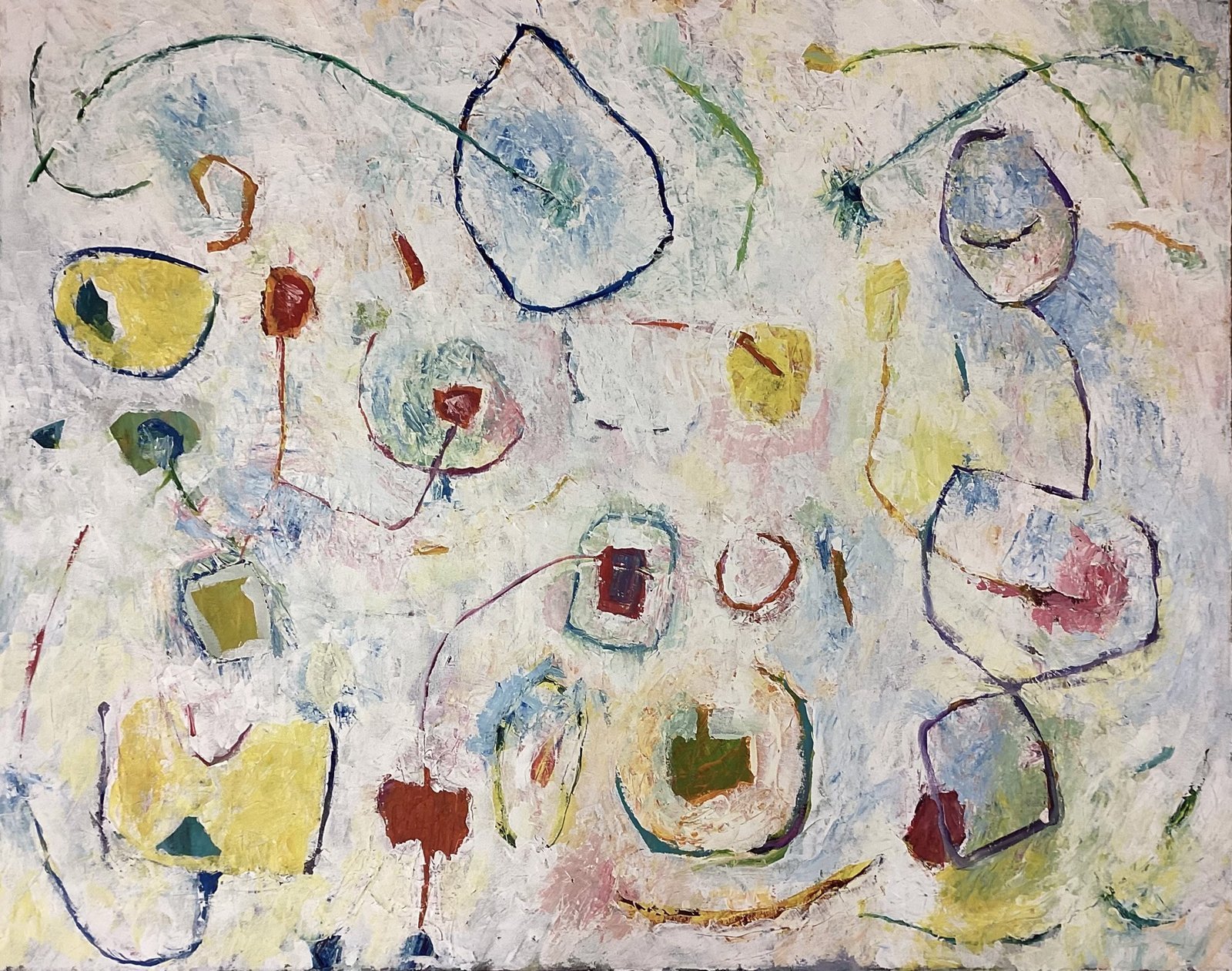
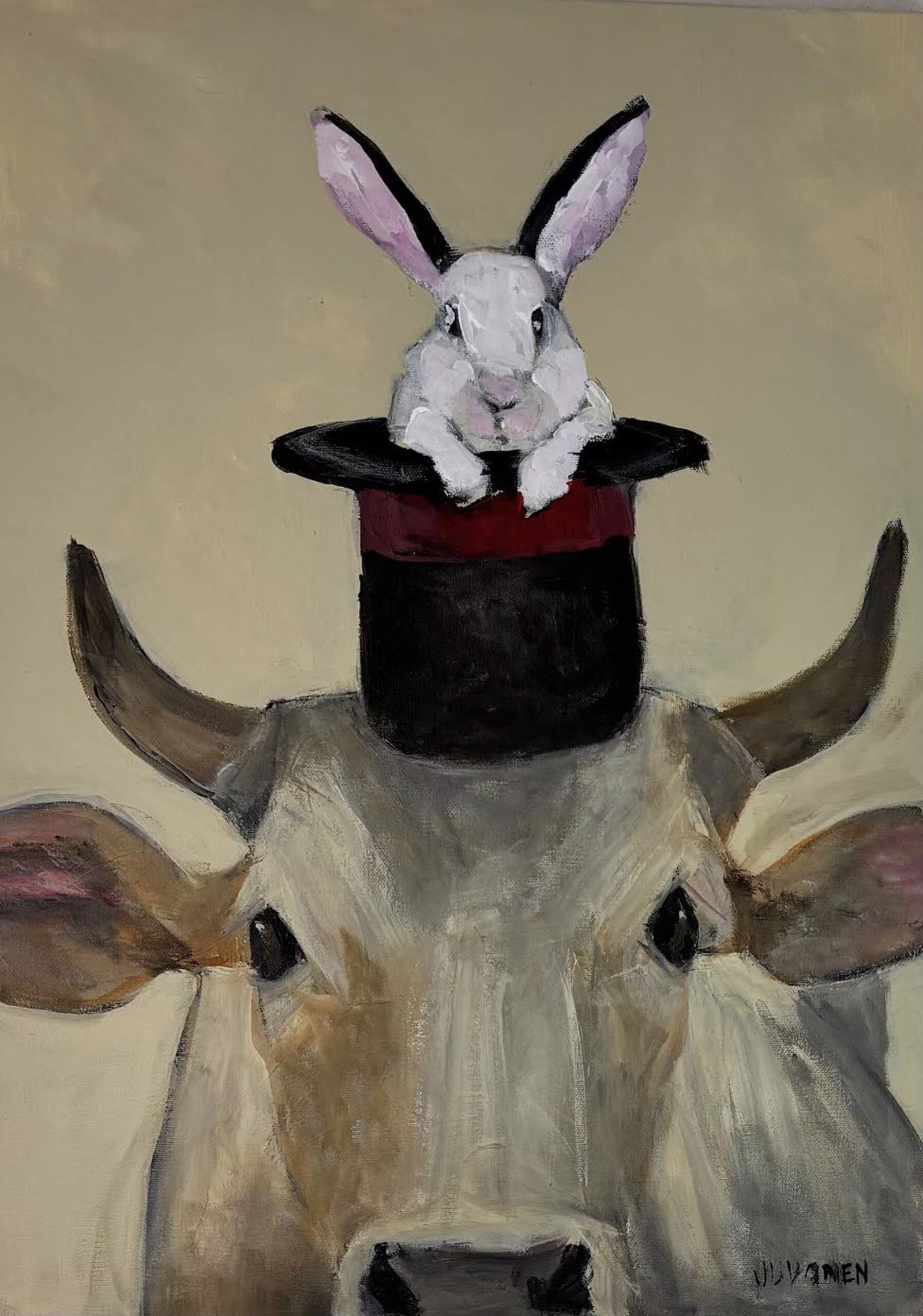
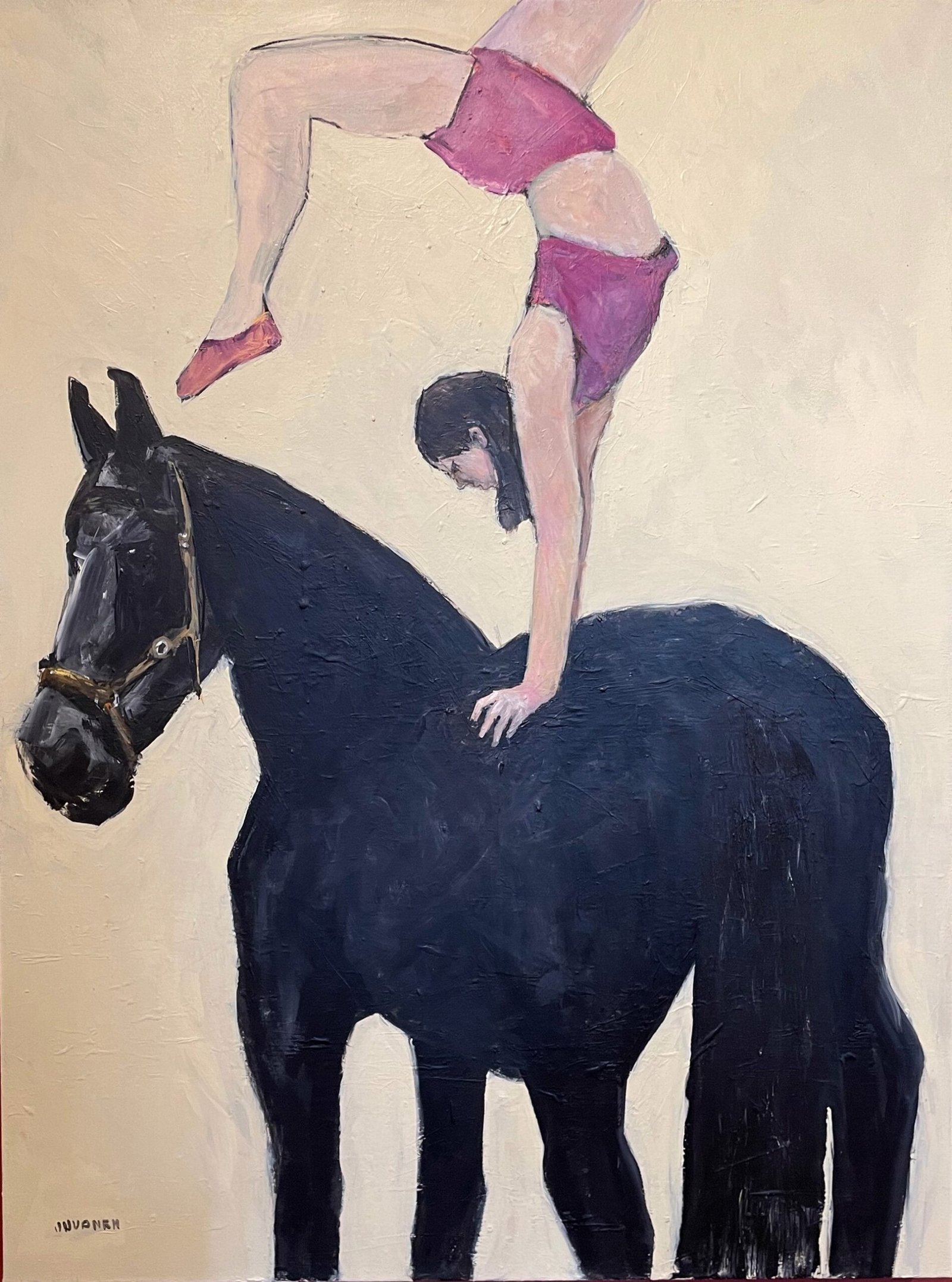
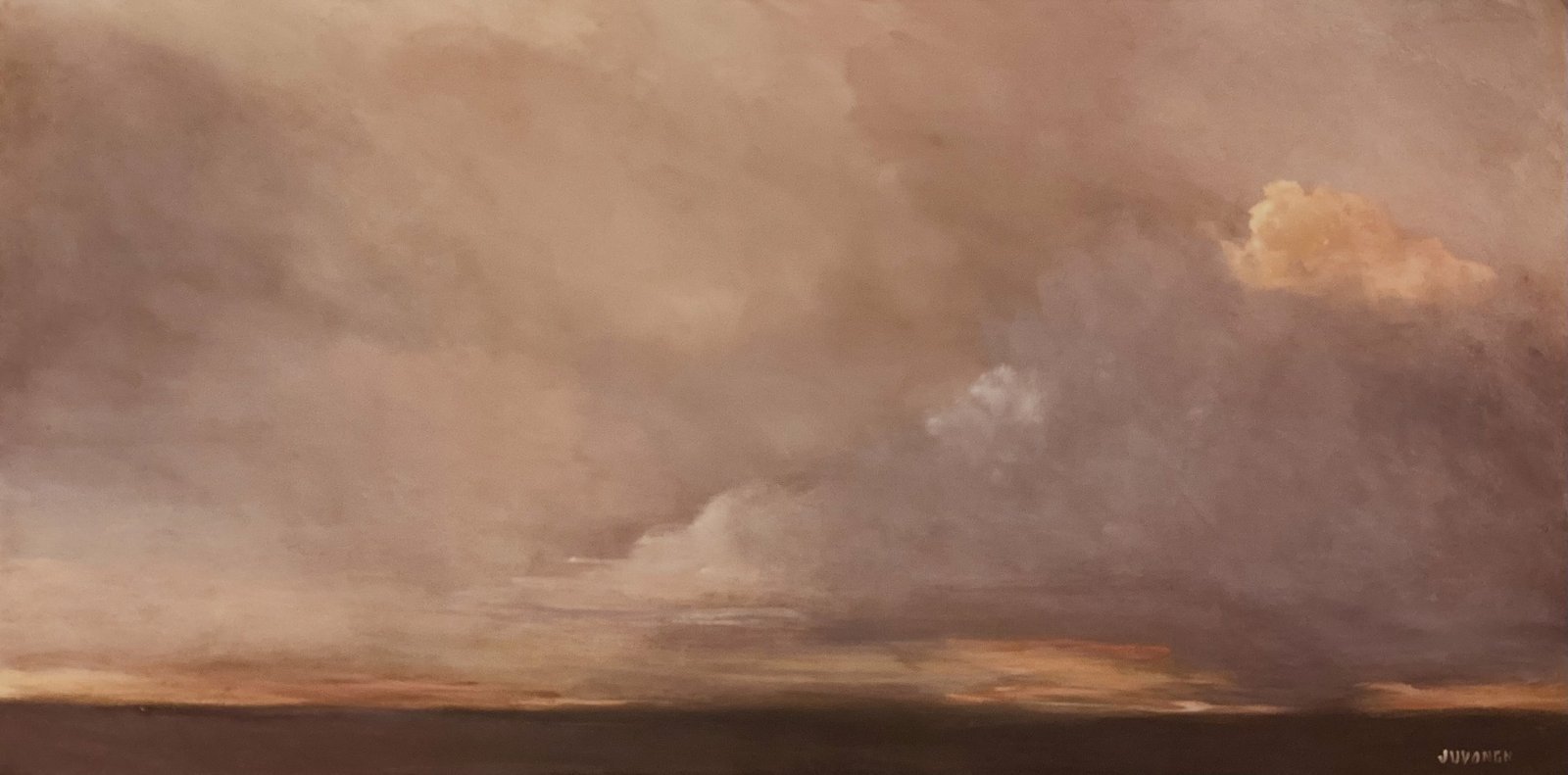
A current selection from Peter's work, available through JG Art Gallery. The gallery responds within one business day with placement, dimensions, and indicated price for the work in question.
Shows with the gallery.
- Open for InterpretationOctober 2025 · Bainbridge Island
- Between Form and AtmosphereMay 2025 · Bainbridge Island
Peter Juvonen was born in Turku, Finland, and lives and works in Port Orchard, on Puget Sound. He is self-taught — he never attended art school — and has been painting for more than thirty-five years. In that time he has participated in over twenty-five solo exhibitions and more than eighty group shows throughout the United States. His work is in the collections of the Tacoma Art Museum, the Bellevue Art Museum, the Washington State Arts Commission, and the Seattle Arts Commission, alongside corporate collections at Microsoft, Boeing, and SAFECO. He has been featured in Art in America, Metropolitan Home, and The Seattle Times.
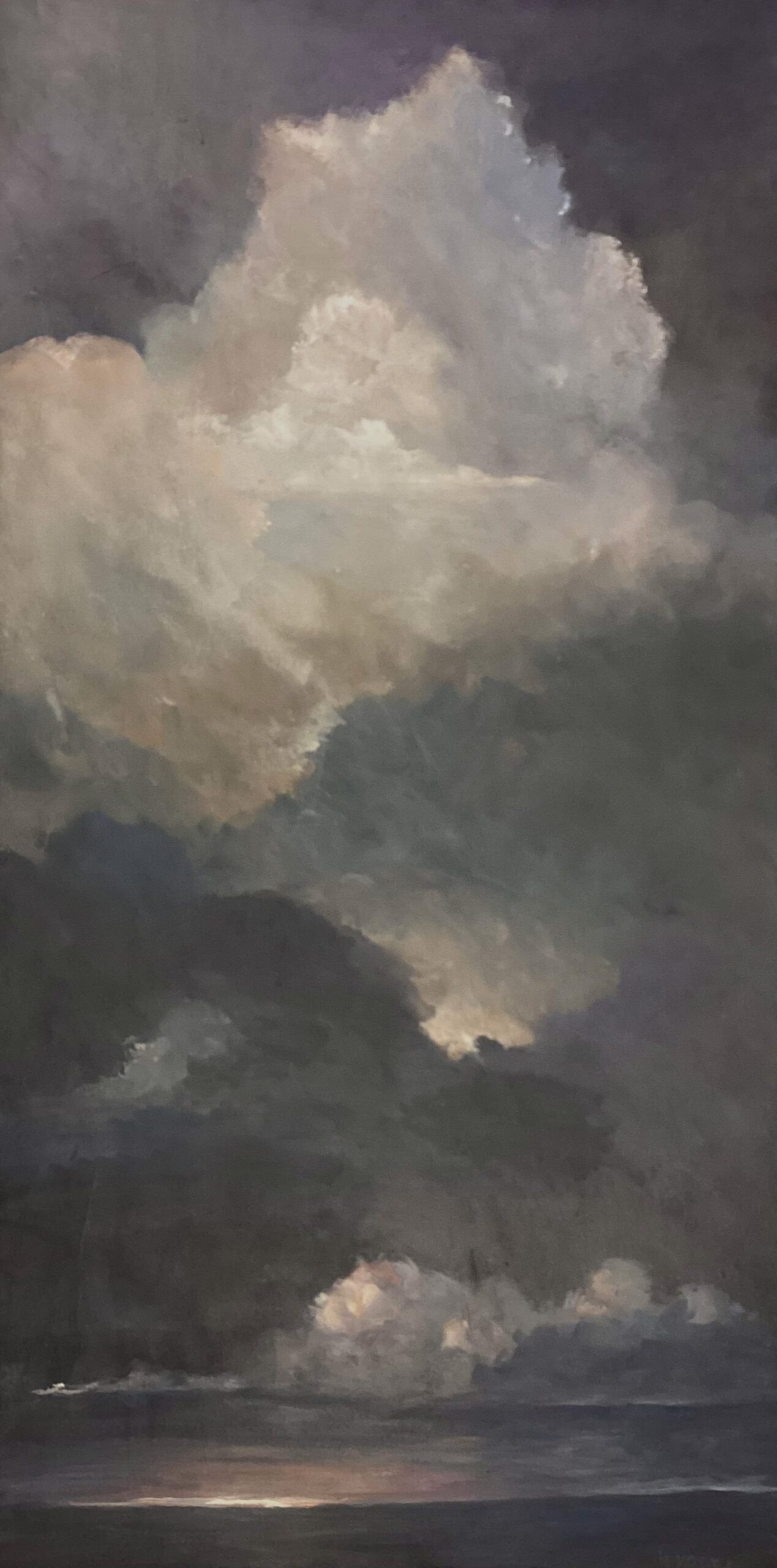
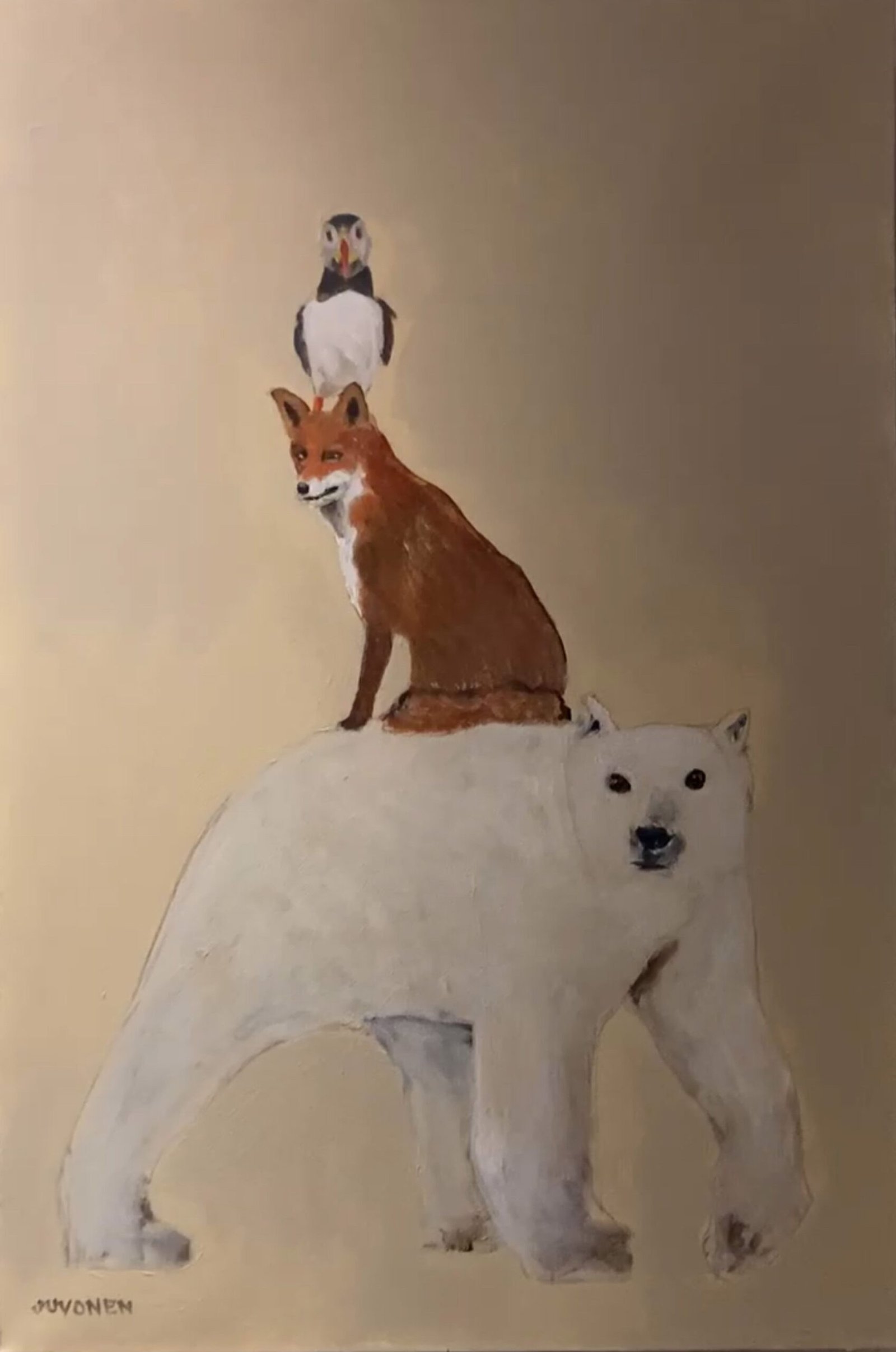
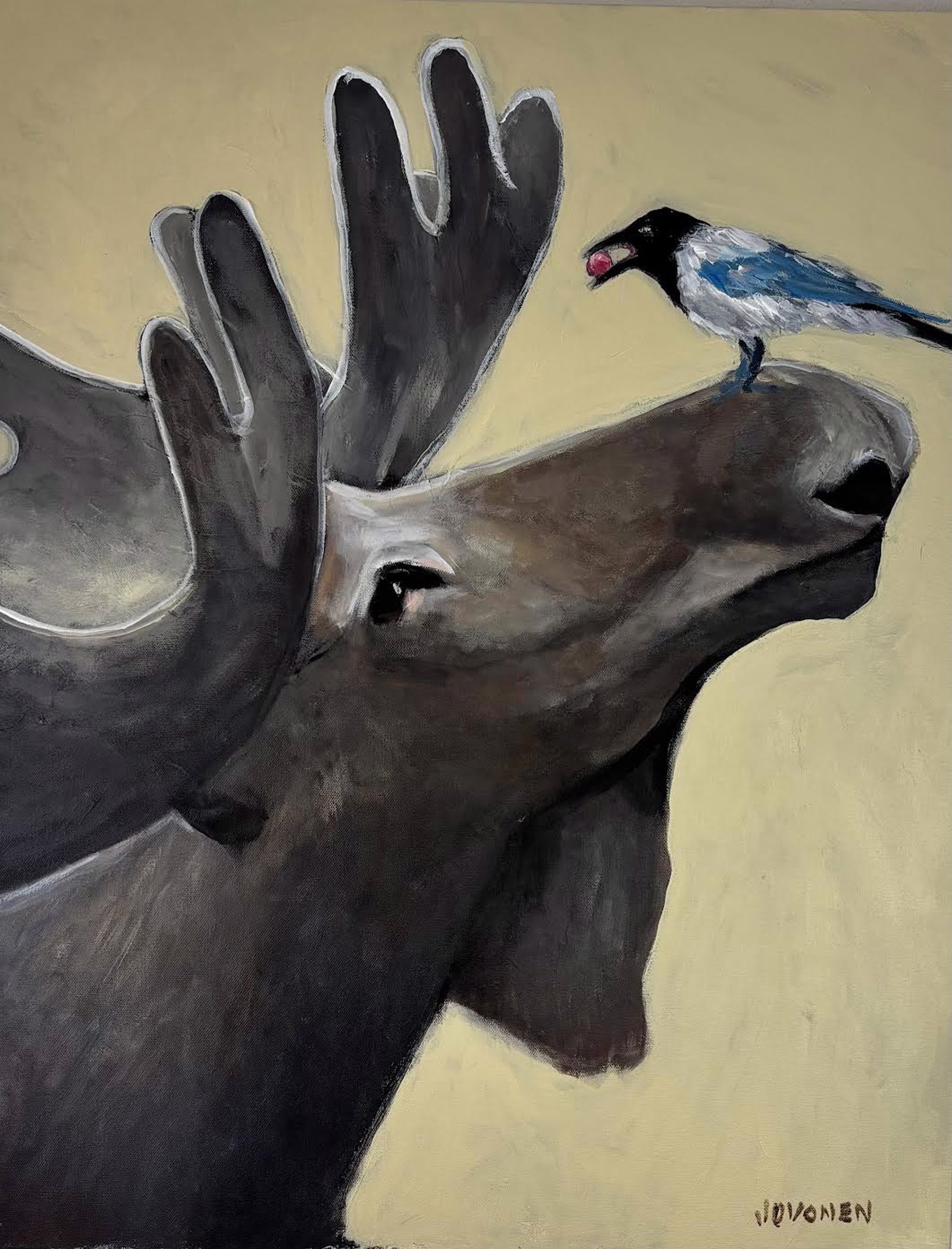
He does not work from a fixed style or a fixed subject. He moves between figurative painting, abstraction, florals, skyscapes, and what he calls conceptual work — compositions that appear random at first glance but are, as he says, “very skillfully designed, connected and controlled.” His description of his process is precise: “Lines, shapes and colors begin to connect; it’s like watching a plant grow.” The work is driven by imagination, dreams, and reading rather than observation of the external world. When a series takes hold he becomes “obsessed” and must finish it before moving on. The Animal Totem series — among the most recognized works in his JG program — originated in a dream involving a bear and is rooted in childhood memories of his father, whose handstanding ability on picnic tables and park benches became, in paint, a meditation on balance, fearlessness, and the complicated nature of familial love. The eye moves through competing spatial systems: flat color-fields clash with modeled torsos and limbs, while repeated circular and spiral motifs act as visual anchors without resolving into coherent space. Juvonen refuses both narrative coherence and pure abstraction, instead building an argument about the body as a site of competing formal languages—figuration and geometry locked in productive, unresolved tension. This oil painting refuses the typical storm narrative of drama or turbulence; instead it presents clouds as sculptural, almost geological masses suspended in an atmosphere of diffused light, suggesting meteorological indifference rather than meteorological threat.
His 1987 First Place in Painting at the Washington Painting and Sculpture exhibition was juried by Howard Fox, then curator at the Los Angeles County Museum of Art. His 1985 Best of Show at the Northwest Juried Art Exhibition was juried by Mary Beebe, Curator of Art at the University of California, San Diego. His solo exhibition history runs from Foster White and Woodside Braseth in the 1980s through Friesen Gallery in Seattle and Sun Valley through the 1990s, and Ryan James Fine Art in Kirkland through the 2010s. The Washington State Arts Commission acquired Seated Figures — a monotype worked over with colored pencil, acrylic, and graphite — for the State Art Collection.
I never attended art school; my inspiration comes almost entirely from my imagination. My paintings are visual re-interpretations of both the real and the surreal. My style is consistently in flux — my evolution grows faster than my paintings. When I paint, I feel totally alive. I don’t hear anything. I’m really in the zone.
Peter's practice, in detail.
Formation
- BornTurku, Finland — Port Orchard, Puget Sound, Washington
- FormationSelf-taught — 35+ year careerNever attended art school. Imagination, dreams, and reading as primary sources.
- PracticeMulti-disciplinary: figurative, abstract, florals, skyscapes, conceptualWorks in obsessive series; style shifts continuously
Solo Exhibitions (Selected)
- 2015–18Ryan James Fine Art — Kirkland, WAThree solo exhibitions
- 2012Roby King Gallery — Bainbridge Island, WA
- 2009Fountainhead Gallery — Seattle, WA
- 2007Nordic Heritage Museum — Ballard, WA
- 1993–95Friesen Gallery — Seattle, WA and Sun Valley, ID
- 1988–92Foster White · Woodside Braseth — Seattle, WATacoma Art Museum solo 1988. Bellevue Art Museum 1987.
Awards & Press
- 1987First Place, Painting — Washington Painting & Sculpture, Tacoma Art MuseumJuried by Howard Fox, curator at LACMA
- 1985Best of Show — Northwest Juried Art ExhibitionJuried by Mary Beebe, Curator of Art, UC San Diego
- 1977Artists in the City Program — Seattle Arts Commission
- PressArt in America · Metropolitan Home · Seattle Times · Seattle Weekly
Collections
- MuseumTacoma Art Museum — Tacoma, WA
- MuseumBellevue Art Museum — Bellevue, WA
- PublicWashington State Arts Commission — State Art CollectionSeated Figures: monotype + colored pencil + acrylic + graphite
- PublicSeattle Arts Commission · Seattle City Light
- CorporateMicrosoft · Boeing · SAFECO · Hyatt Hotels · Swedish Hospital
- PrivateFrance · Italy · UK · Netherlands · Finland
Practice
- ApproachImagination and dreams as primary source — not observationVisual re-interpretations of the real and surreal
- Animal TotemSeries from childhood memory of father’s handstanding abilityTriggered by a dream involving a bear. Meditation on balance and familial love.
- State25+ solo exhibitions · 80+ group shows throughout the United States
Works at JG
- Range30+ works — abstract, figurative, Animal Totem series, skyscapesLate Afternoon Bath · Symphonic · Blue Moon Rising · Storm Clouds · Golden Cloud
As featured in.
The gallery responds within one business day.
For current availability, pricing, or to commission new work, write directly. Worldwide shipping, payment plans, full provenance documentation.